Air Show Turns Fatal as Greek Phantom Crash Exposes the Risks Behind Spectacle
Air Show Turns Fatal as Greek Phantom Crash Exposes the Risks Behind Spectacle
A Greek military air show ended in tragedy when a Phantom F-4 crashed during a low-altitude maneuver, killing both pilots but sparing the thousands of spectators watching nearby.
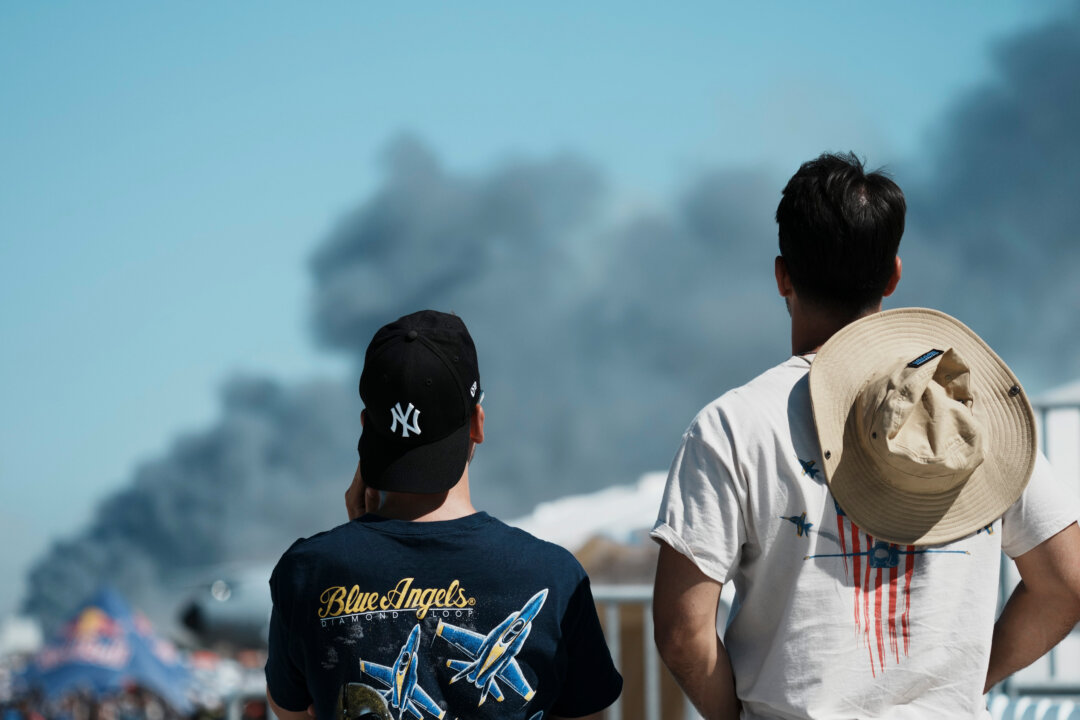
The crash occurred Saturday at Tanagra Air Force Base, north of Athens, during the annual Athens Flying Week. The twin-seat aircraft struck the ground only moments after takeoff, according to reporting cited by the Associated Press. It burst into flames, sending a column of black smoke over the base and prompting an emergency response involving firefighters, water-dropping aircraft and helicopters.
The central contrast is stark: the event’s aerial precision was intended for public display, but the maneuver left no margin for recovery. While the pilots died and the air show was canceled, no spectators were injured. A second account likewise described the crash as occurring during a low-altitude maneuver and confirmed that the pilots’ bodies were recovered after rescue operations were hindered by the fire.
Officials framed the deaths as both a national loss and a reminder of the dangers inherent in military aviation. Prime Minister Kyriakos Mitsotakis said the pilots had been “on constant standby to protect Greece’s skies,” linking the accident to the broader risks faced by the country’s aviators. An eyewitness told Greece’s state broadcaster that the aircraft had been airborne for “not more than three minutes,” underscoring how quickly a carefully staged demonstration became an emergency.
Greece declared three days of mourning. The authorities’ response emphasized grief and duty; the canceled event and evacuation emphasized the immediate public-safety consequences. Together, they turned a display of national air power into a somber test of its human cost.
Write a comment