Dover Protest Turns Anti-Immigration Anger Into a Port Shutdown
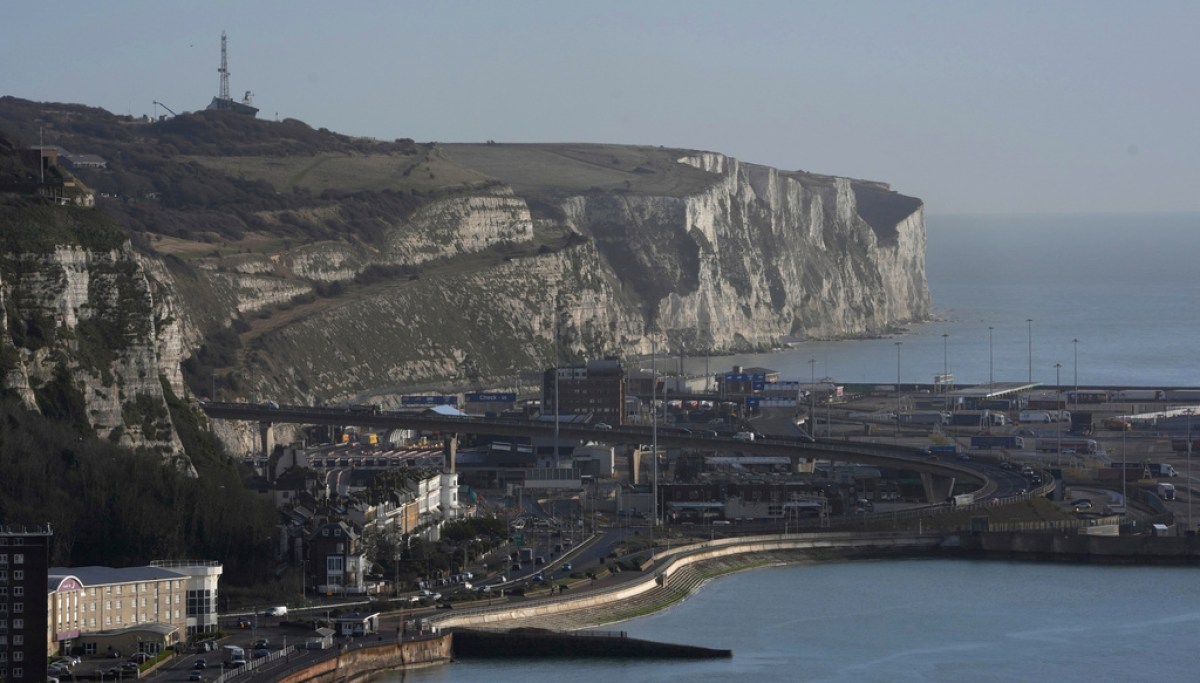
Dover Protest Turns Anti-Immigration Anger Into a Port Shutdown
A protest staged in the name of stopping small-boat crossings brought one of Britain’s busiest transport hubs to a halt, turning anger over migration into a confrontation over public order and public inconvenience.
Hundreds of black-clad, masked demonstrators blocked roads around the Port of Dover, stopping traffic in both directions and causing delays for travelers and freight vehicles. National Highways reported congestion stretching for miles, while local services—including a waterfront Parkrun—were cancelled after the area was deemed unsafe or inaccessible. The Port of Dover described the incident as a “public order incident” affecting “all routes” in and out of the port.
The liberal account foregrounds the protest’s local consequences and the protesters’ silence: one witness estimated about 300 men, saying they blocked “every entrance and exit” to the port. Labour MP Mike Tapp called them “idiots coming to Dover to cause disruption,” arguing that small-boat crossings were already down by 40%. A local Reform councillor, Paul King, also said residents were frightened and rejected the disruption, but presented the demonstration as evidence of the pressures created by boats arriving in the area.
The conservative account places the episode more directly within the immigration debate, describing the protesters as anti-immigration demonstrators and emphasizing their grievance over Channel crossings. Yet it also stresses the practical and legal boundary crossed by the action: the government said the blockade went beyond peaceful protest, while the port reported that traffic was “stopped due to an ongoing public order incident.”
Both perspectives agree on the central fact: the protest disrupted a critical channel for passengers and trade, while police engaged with those taking part. They diverge over what the disruption means. One treats it chiefly as intimidation and civic disorder; the other places it within a broader backlash against migration. The immediate result, however, was the same—local residents and travelers paid the price for the political message.
Write a comment