Hung Jury Leaves Lindsay Clancy Case Suspended Between Mental Illness and Accountability
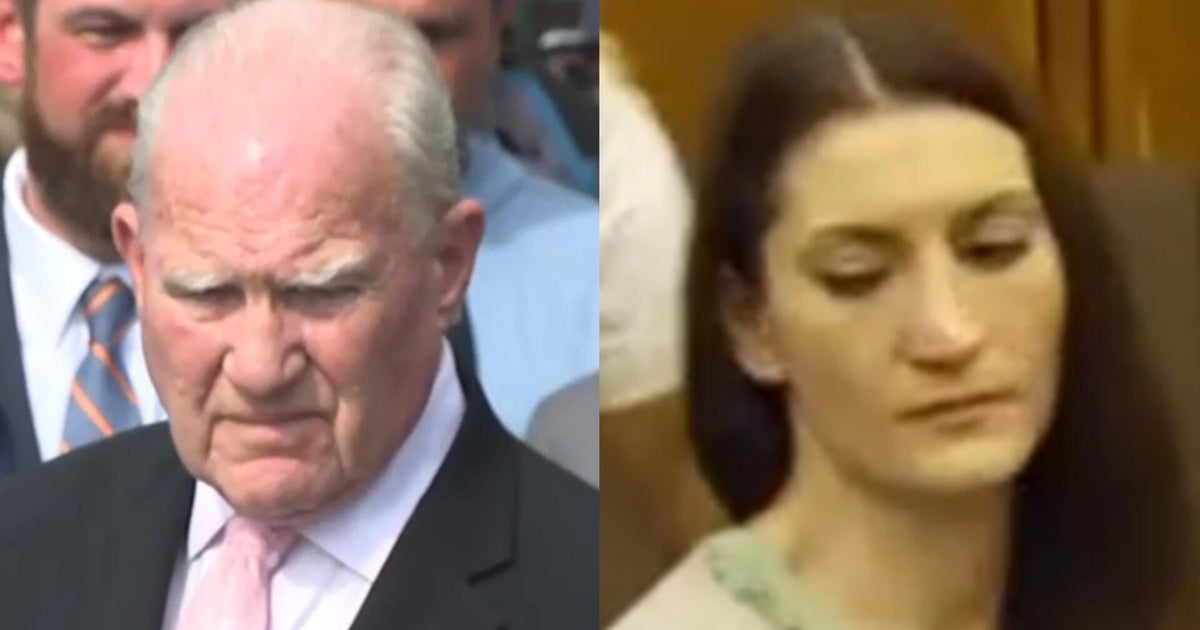
Hung Jury Leaves Lindsay Clancy Case Suspended Between Mental Illness and Accountability
The Lindsay Clancy trial ended where the central question began: with no consensus over whether the mother who killed her three children was acting under severe psychosis or making conscious, criminal choices.
After seven days of deliberations and three deadlocks, a Massachusetts judge declared a mistrial. The jury had spent roughly five weeks weighing whether Clancy was legally responsible for the deaths of Cora, 5, Dawson, 3, and Callan, 8 months. Prosecutors must now decide whether to try the case again.
The prosecution presented the killings as calculated. It pointed to internet searches, Clancy’s movements, her phone activity and a brief call with her husband on the day of the deaths. Assistant District Attorney Jennifer Sprague argued that someone acting as “a puppet” under a commanding voice could not have completed the call and made the decisions prosecutors attributed to Clancy.
The defense offered a starkly different interpretation: Clancy’s searches and preparations reflected deterioration, not planning. Her attorney described her journal as “chicken scratches because her mind is gone” and argued that a rapidly changing medication regimen and failures in treatment helped produce a psychiatric collapse. Defense expert Dr. Phillip Resnick testified that she was “clearly psychotic” when the children died.
Mental-health commentator Dr. Phil McGraw occupied a complicated middle ground. He said psychosis was “not an excuse,” but could be as powerful as a physical brain disorder, while insisting that the children remained the focus and that accountability was still necessary. He also called the case a “psychiatric emergency that wasn’t treated as such.”
That tension—between punishment and psychiatric intervention—explains the hung jury. As CBS News summarized, after 41 days, “we are no closer to an answer.” The mistrial postpones judgment but does not resolve the competing claims about responsibility, medical failure and the limits of criminal law.
Write a comment