Anak Krakatau’s Ash Cloud Turns a Volcanic Eruption Into a National Travel Crisis
Anak Krakatau’s Ash Cloud Turns a Volcanic Eruption Into a National Travel Crisis
An eruption of Mount Anak Krakatau has transformed a natural hazard into a sweeping transport and public-service disruption, exposing how quickly volcanic ash can paralyze Indonesia’s densely connected air network.
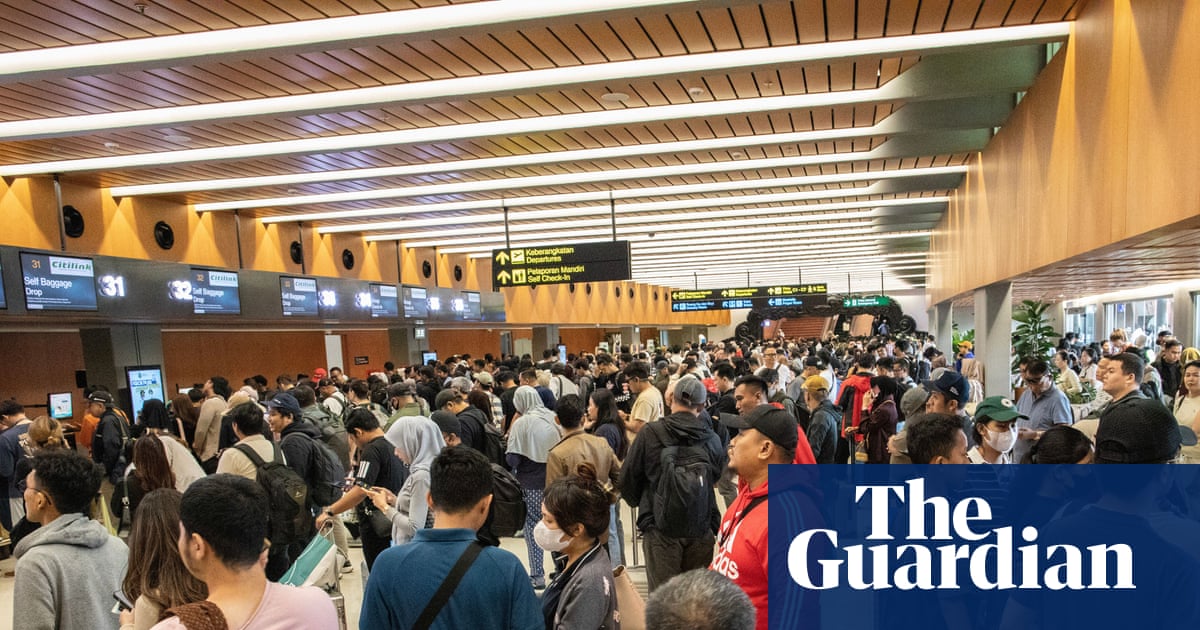
The immediate impact was largest at Jakarta’s Soekarno-Hatta International Airport, where ash forced repeated suspensions. At least 373 flights were affected by Sunday morning, including 167 cancellations at the main airport, according to Indonesia’s aviation authorities. Singapore Airlines and Scoot later canceled additional Jakarta services, extending the disruption into Monday.
A separate account framed the crisis in broader national terms. Eight airports remained closed, while the transport ministry said 1,558 flights had been delayed and about 170,000 passengers affected. The minister, Dudy Purwagandhi, said authorities “cannot ascertain when this will end due to the dynamic weather.” The same report noted that Jakarta schools shifted classes online and that some shipping operations were disrupted, illustrating that the eruption’s effects reached well beyond aviation.
The more operationally focused account from Jakarta emphasized the immediate consequences for airlines and passengers: Soekarno-Hatta alone had seen 964 affected flights, while Singapore Airlines, Malaysia Airlines, AirAsia and Lion Air Group canceled services. Both perspectives, however, converge on the central difficulty: the danger is not simply the eruption itself, but ash moving unpredictably through the airspace.
Authorities detected ash at altitudes as high as 50,000 feet and maintained a three-kilometer exclusion zone around the volcano. Monitoring officials warned that “the probability of further eruptions in the coming periods remains high,” although they said the latest activity was not expected to trigger a tsunami. For travelers, that leaves no clear timetable for recovery—only cancellations, rescheduling and the prospect of renewed disruption if the ash plume shifts again.
Write a comment