A Hung Jury Leaves the Lindsay Clancy Case Suspended Between Mental Illness and Criminal Responsibility
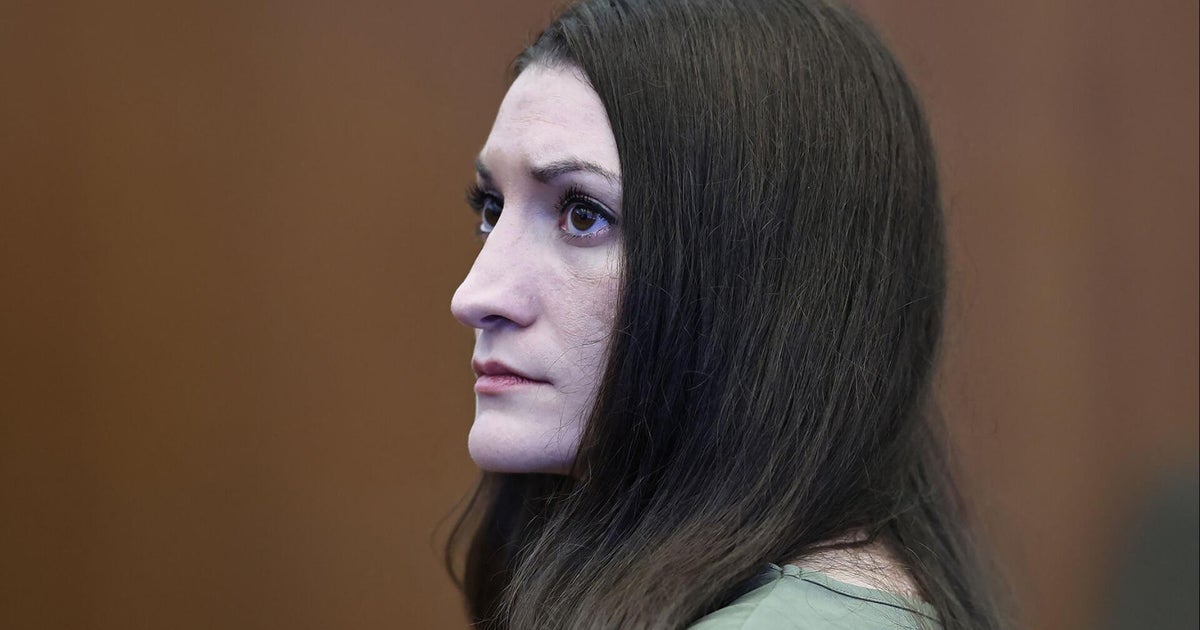
A Hung Jury Leaves the Lindsay Clancy Case Suspended Between Mental Illness and Criminal Responsibility
The Lindsay Clancy murder trial ended without resolving its central question: whether a mother who killed her three children was legally responsible for her actions. After seven days of deliberation, jurors could not reach a unanimous verdict, leaving the case open to a retrial and the public debate far from settled.
The liberal account, presented by CBS News, emphasizes the unresolved legal and medical issues rather than treating the mistrial as a verdict in disguise. After 41 days of testimony, the question of Clancy’s responsibility remains unanswered, the network reported, describing the proceeding as a hung jury rather than a clear victory for either side.
The conservative perspective is more openly critical of the defense and the juror who prevented unanimity. The Washington Examiner’s account reported that the jury reached an 11-1 split and that the foreperson said one juror was not applying the legal standard of “reasonable doubt.” Defense attorney Kevin Reddington then accused that juror of having “stole seven weeks of the lives of these other jurors,” while commentator Joe Concha called the reaction “grandstanding.”
That contrast captures the case’s broader tension. The defense has centered postpartum psychosis and diminished mental capacity; prosecutors have argued that Clancy understood her actions were wrong. Meanwhile, critics of the defense see the deadlock as a failure of legal accountability, while supporters regard it as evidence that the prosecution did not overcome reasonable doubt.
The next decision belongs to prosecutors, who could seek a retrial, pursue a bench trial, negotiate a plea or dismiss the case. Yet the trial’s intense media coverage may make an impartial jury difficult to assemble. Jury consultant Susan Constantine said the case needs to “calm down first,” warning that the key issue is not whether prospective jurors have heard of Clancy, but whether they have already formed an opinion. Clancy remains in a mental health institution as the legal uncertainty continues.
Write a comment