Dover Protesters Claim Border Control While Disrupting the Port They Say They Are Protecting
Dover Protesters Claim Border Control While Disrupting the Port They Say They Are Protecting
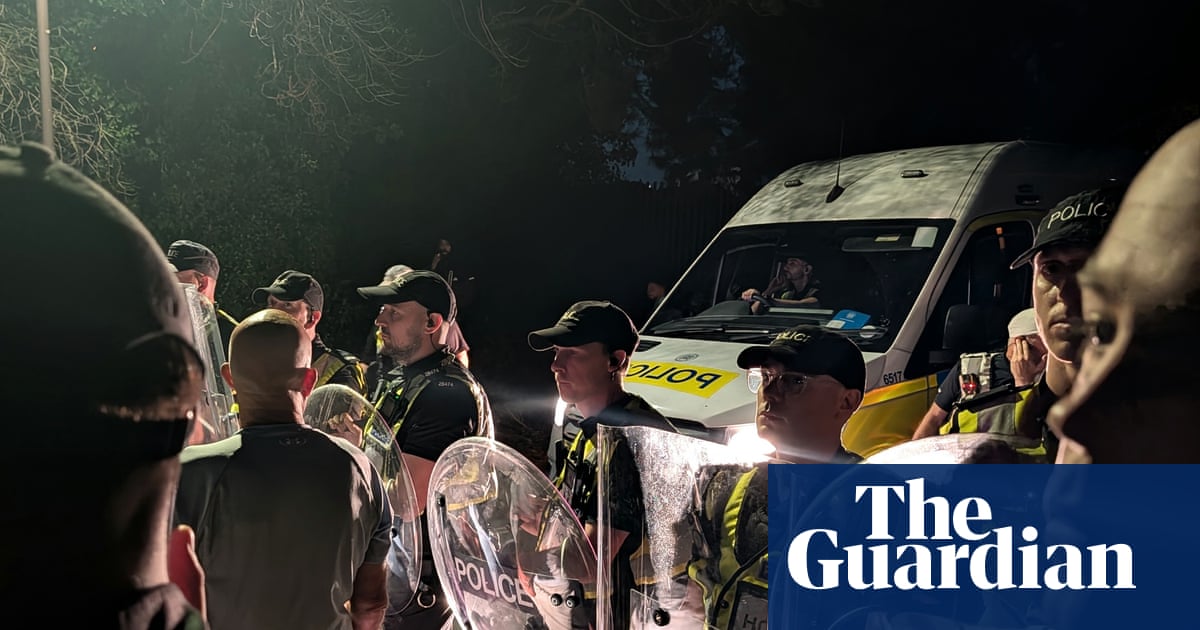
Masked anti-immigration protesters turned the approach to Dover’s ferry port into a flashpoint over Britain’s asylum policy, blocking traffic while claiming to defend the country’s borders. The confrontation exposed the gap between anger over small-boat crossings and the disruption caused in their name.
Dozens of masked demonstrators blocked roads leading to the port, Britain’s busiest ferry gateway, delaying travelers and cargo vehicles bound for France. The Port of Dover said traffic had been “stopped due to an ongoing public order incident,” while police said they were “engaging with the protesters.” The action was therefore not simply symbolic: it directly impeded a major transport route, even as protesters presented themselves as acting on a matter of national urgency.
A broader account of the weekend portrays the Dover protest as part of a more aggressive mobilization. Hundreds of activists later gathered in Portsmouth after a boat carrying 140 asylum seekers arrived, with some protesters reportedly wearing balaclavas and black clothing. Roads were blocked for hours, and a witness said protesters broke through a police cordon and smashed the windscreens of two police cars.
The competing interpretations are clear. Protesters and their supporters cast small-boat arrivals as evidence that the government has lost control of the border. Officials, however, distinguish between lawful dissent and conduct that obstructs residents, businesses and emergency operations. The government condemned what it called “intimidating and thuggish behaviour,” while stressing that peaceful protest remains fundamental to democracy.
The tension is sharpened by the underlying figures: crossings are reportedly down more than 40% year on year, but arrivals continue, and activists argue that any remaining crossings justify escalation. Critics see the masked demonstrations differently—as public-order confrontations that risk turning frustration over migration into intimidation and disorder.
Write a comment