Britain’s Settlement Trade Ban Puts Burnham on a Collision Course With Trump and Israel
Britain’s Settlement Trade Ban Puts Burnham on a Collision Course With Trump and Israel
Britain is preparing its sharpest economic intervention yet over Israeli settlements, turning its support for a two-state solution into a policy that risks confrontation with both Israel and Washington.
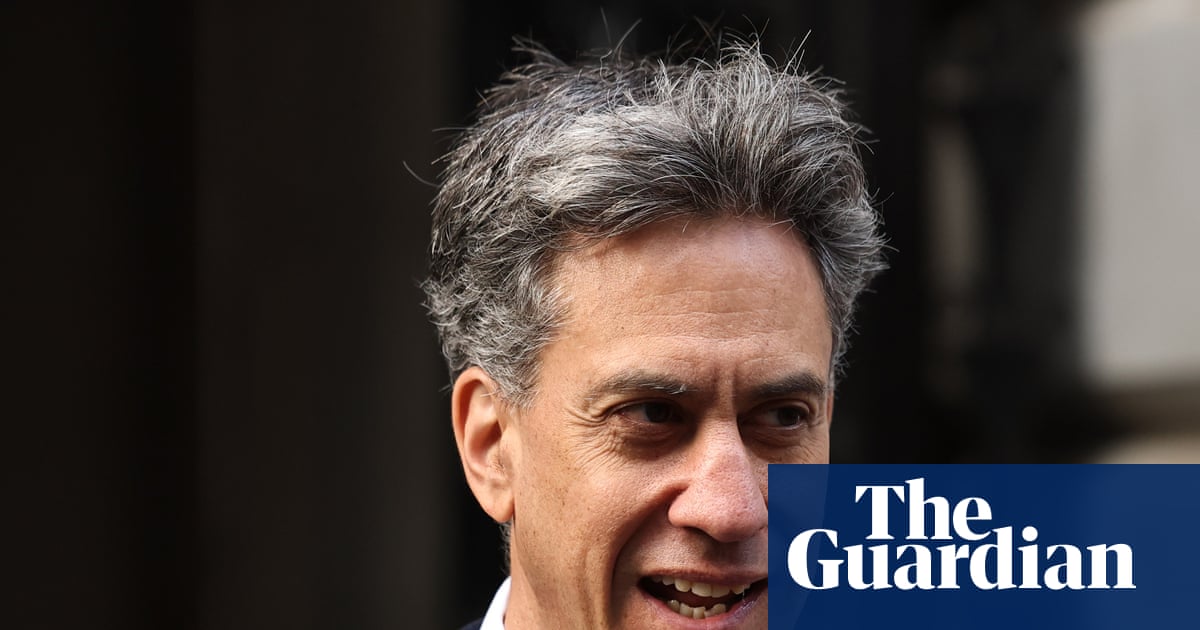
Foreign Secretary Ed Miliband is expected to announce a ban on trade in goods and some services linked to Israeli settlements in the occupied West Bank. The measures would extend beyond existing labeling and tariff rules to activities such as financing and advertising, and are being framed by the government as enforcement of international law rather than a broader boycott of Israel.
The liberal case is that incremental diplomacy has failed to slow settlement expansion, settler violence or projects such as E1, which critics say could divide the West Bank and undermine the possibility of a Palestinian state. Supporters also point to British public opinion: polling cited by the Guardian found 46% favored banning settlement trade, compared with 18% opposed. London’s approach is expected to stop short of sanctions over aid restrictions in Gaza or a formal genocide designation, underscoring the limits of its intervention.
The conservative account emphasizes escalation and diplomatic fallout. The policy could create an early dispute between Prime Minister Andy Burnham and Donald Trump, despite their recent call in which Burnham stressed Britain’s commitment to the “Two-State Solution.” U.S. officials are reportedly monitoring the plans, while Israeli ministers have responded with threats of retaliation.
Finance Minister Bezalel Smotrich called Britain an “antisemitic government” and demanded the expulsion of its ambassador. National Security Minister Itamar Ben-Gvir went further, urging Israel to recognize Argentine sovereignty over the Falkland Islands.
The competing perspectives share one point: the policy is consequential. For London, it is a test of whether legal and economic pressure can preserve a political solution. For Israel’s defenders and U.S. conservatives, it risks rewarding anti-Israel activism, damaging an ally and widening a crisis Britain may lack the leverage to resolve.
Write a comment