Trump’s ‘New America’ Idea Collides With New Mexico’s Legal and Historical Identity
Trump’s ‘New America’ Idea Collides With New Mexico’s Legal and Historical Identity
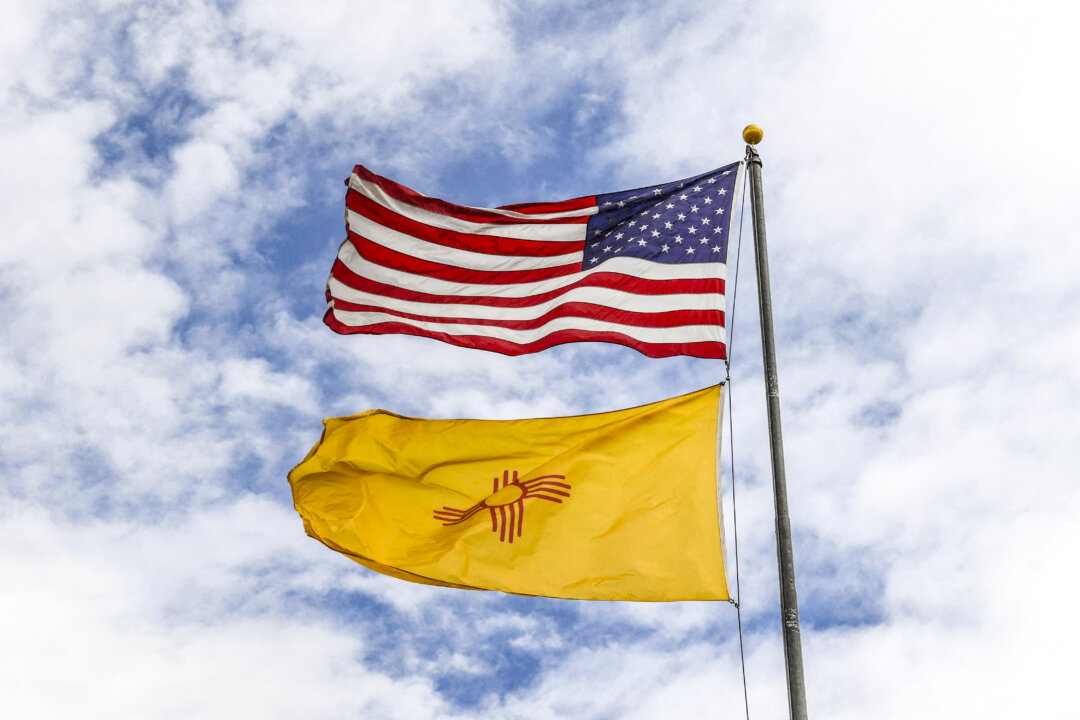
Donald Trump’s latest naming proposal turns a symbolic political gesture into a test of presidential power, state identity and the limits of executive authority. His suggestion that New Mexico become “New America” has met immediate resistance from the state’s governor and appears unlikely to take effect through presidential action alone.
Trump presented the idea as both a political jab and a makeover. He praised “NEW AMERICA” as “so much more prestigious and beautiful” while labeling New Mexico “one of the great vote-cheating states of all time.” The framing links the proposed name change to his broader conflict with Democratic-led institutions, rather than treating it as a neutral question of civic branding.
Gov. Michelle Lujan Grisham rejected that premise outright. “New Mexico’s name isn’t up for debate—it’s been ours since before the United States existed,” she wrote. Her response casts the dispute as one of historical continuity and state sovereignty, not presidential preference. A separate account likewise described her as firing back after Trump floated the idea, placing the proposal alongside his earlier efforts to rename major geographic landmarks.
The practical obstacles are substantial. Trump cannot rename the state by executive order; any formal change would likely require action by Congress as well as New Mexico itself. That distinguishes the proposal from administrative naming directives affecting federal usage. Even in those cases, private companies, foreign governments and international bodies can decline to adopt the president’s terminology, while states remain governed by their own constitutions.
Trump’s supporters may see the episode as another assertion of national authority and cultural symbolism. Critics see political theater with little path to implementation. The contrast is sharp: the president is promoting a provocative rebrand, while New Mexico’s officials are emphasizing that neither history nor state law can be rewritten by social-media declaration.
Write a comment