Record Labor Day Gas Prices Expose the Limits of Political Spin
Record Labor Day Gas Prices Expose the Limits of Political Spin
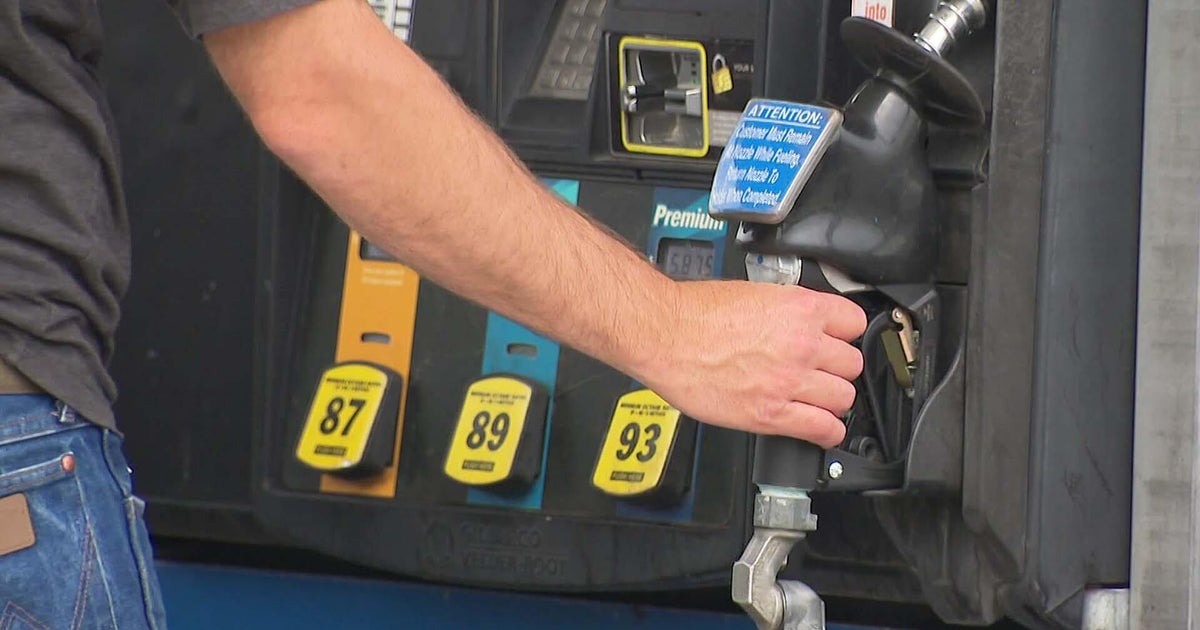
The latest Labor Day travel rush arrived with a familiar American ritual turned economic warning: gasoline prices hit a holiday record, making even routine road trips more expensive.
The basic fact is not in dispute. The national average for regular gasoline reached about $4.15 per gallon, nearly a dollar above the level a year earlier and well beyond the previous Labor Day record of $3.82 in 2012. Conservative coverage emphasizes the scale of the increase in stark terms, noting that the price was the highest ever recorded for the holiday and roughly 10 cents above the previous month.
The competing interpretations differ less over the price than over its meaning. Liberal-leaning reports place the surge within a wider supply shock: crude prices rose after the conflict involving Iran, traffic through the Strait of Hormuz collapsed, and refineries in the Middle East and Russia suffered war-related damage. U.S. inventories were also below average, while diesel prices reached roughly $5.90 per gallon—costs that can filter into food, freight and household deliveries.
That explanation shifts responsibility toward geopolitics and fragile global supply chains. The conservative framing, by contrast, foregrounds the immediate burden on drivers and ties the record directly to “Iran war and refinery issues,” without offering a broader policy defense.
There is one point of potential relief. Industry analysts say the seasonal switch to cheaper winter-grade gasoline—and an early regulatory allowance for its sale—could reduce prices. Energy officials likewise point to futures markets that anticipate lower costs. But those forecasts remain conditional: another refinery outage, hurricane or disruption at Hormuz could quickly overwhelm seasonal effects. The record therefore reflects both an international crisis and a domestic vulnerability, leaving consumers to absorb the difference.
Write a comment