Cape Breton Flood Death Exposes the Human Cost of Nova Scotia’s Extreme Rainfall
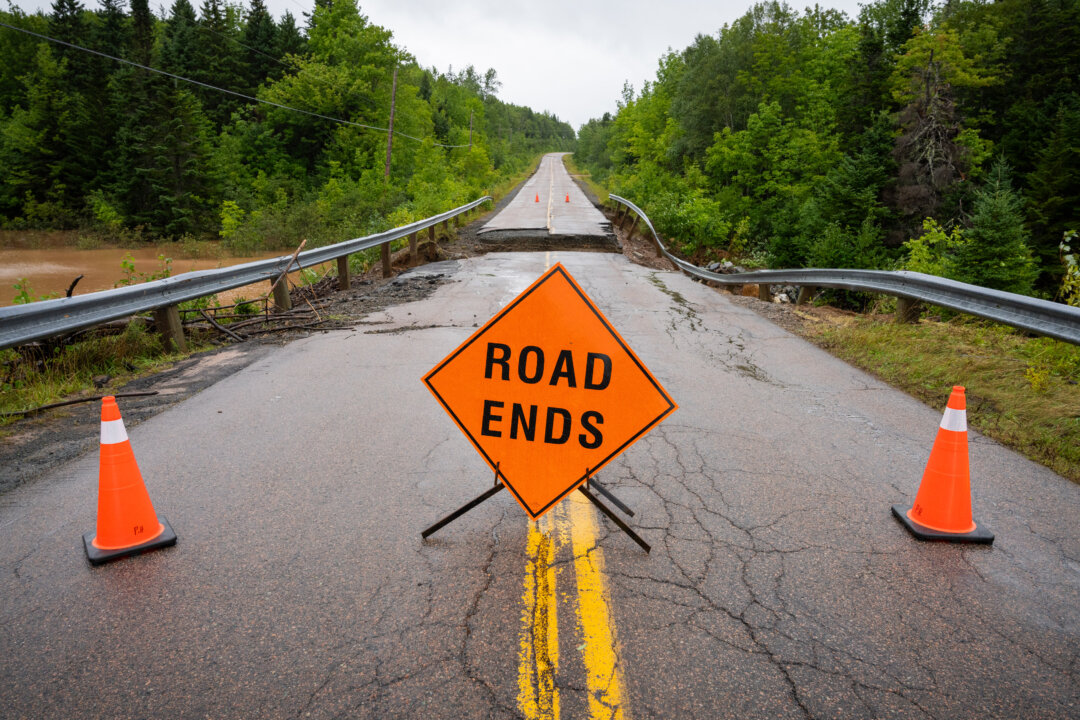
Cape Breton Flood Death Exposes the Human Cost of Nova Scotia’s Extreme Rainfall
A deadly flood in Cape Breton has turned a severe weather emergency into a deeply personal tragedy, as authorities search for answers after a woman disappeared near a flooded bridge.
The 46-year-old woman from Cleveland, N.S., was reported missing on Sept. 5 after her vehicle was found parked near her home, on the far side of a bridge rendered impassable by floodwater. RCMP, local fire services and volunteers joined the search, recovering her body at about 2:30 p.m. that afternoon.
The official account is consistent across the reporting: this was a weather-related death amid widespread flooding, not a criminal incident. RCMP said the woman’s death was “not believed to be suspicious,” while Premier Tim Houston framed the loss through the province’s collective grief, saying Nova Scotia was “mourning” a Cape Breton woman.
The two reports differ mainly in emphasis. One centres the community response and the premier’s expression of sympathy, underscoring how police, volunteers and firefighters worked together. The other places the death within the scale of the storm, noting that some parts of Inverness, Richmond and Victoria counties received more than 200 millimetres of rain over two days.
That contrast matters. The first perspective presents a local emergency and a community rallying around a missing neighbour; the second portrays a broader infrastructure and public-safety threat created by extraordinary rainfall. Together, they show how quickly flooding can turn a familiar route—a bridge near home—into a lethal hazard. The tragedy also leaves a stark warning for residents across the region: when water rises rapidly, ordinary assumptions about roads and crossings can become deadly.
Write a comment