A Hung Jury Leaves Lindsay Clancy’s Fate Suspended Between Doubt and Accountability
A Hung Jury Leaves Lindsay Clancy’s Fate Suspended Between Doubt and Accountability
The mistrial in Lindsay Clancy’s murder case has left two sharply opposed questions unresolved: whether the evidence established criminal responsibility beyond a reasonable doubt, and whether the brutality of the deaths overwhelmed the jury’s ability to weigh that standard.
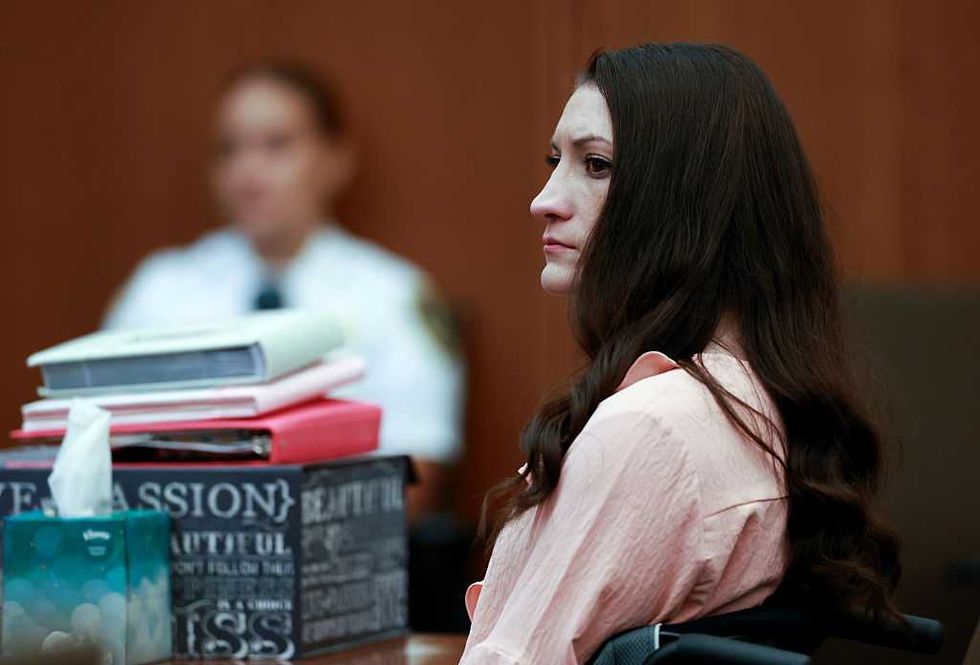
A juror who spoke anonymously said uncertainty—not exoneration—drove the deadlock. “At the end of the day, there was so much doubt,” she said, describing a case with “too much gray area.” The juror said she initially believed Clancy was criminally responsible, but also viewed her as deeply immersed in a serious mental-health crisis. That position reflects the central tension in the defense: acknowledging the deaths while arguing that postpartum psychosis deprived Clancy of criminal responsibility.
Other jurors offered a far less charitable account of the deliberations. According to one report, 11 jurors favored an insanity-based acquittal while a lone male juror resisted, prompting fellow jurors to call him “very arrogant” and accuse him of refusing to engage with their arguments. The competing accounts reveal the mistrial’s defining divide: one side saw an isolated holdout failing to apply reasonable doubt; the other perspective, as described by the holdout’s critics, remained fixed on the fact that Clancy killed her children.
The legal impasse has now widened into a political appeal. Clancy’s attorney has asked President Donald Trump to pardon her, and another report highlights a “major problem” with that request. The apparent obstacle is jurisdiction: the case was prosecuted under Massachusetts law, placing the request outside the ordinary federal pardon framework.
Prosecutors have not said whether they will retry Clancy. Until then, the mistrial has settled none of the competing claims—only confirmed that the jury could not reach unanimity.
Write a comment