Nats Faces Growing Pressure as UK Flight Chaos Passes 1,300 Cancellations
Nats Faces Growing Pressure as UK Flight Chaos Passes 1,300 Cancellations
A technical failure at the UK’s air-traffic-control provider Nats has escalated from a few hours of disruption into a national aviation crisis, leaving more than 1,300 flights cancelled and exposing the fragility of critical infrastructure.
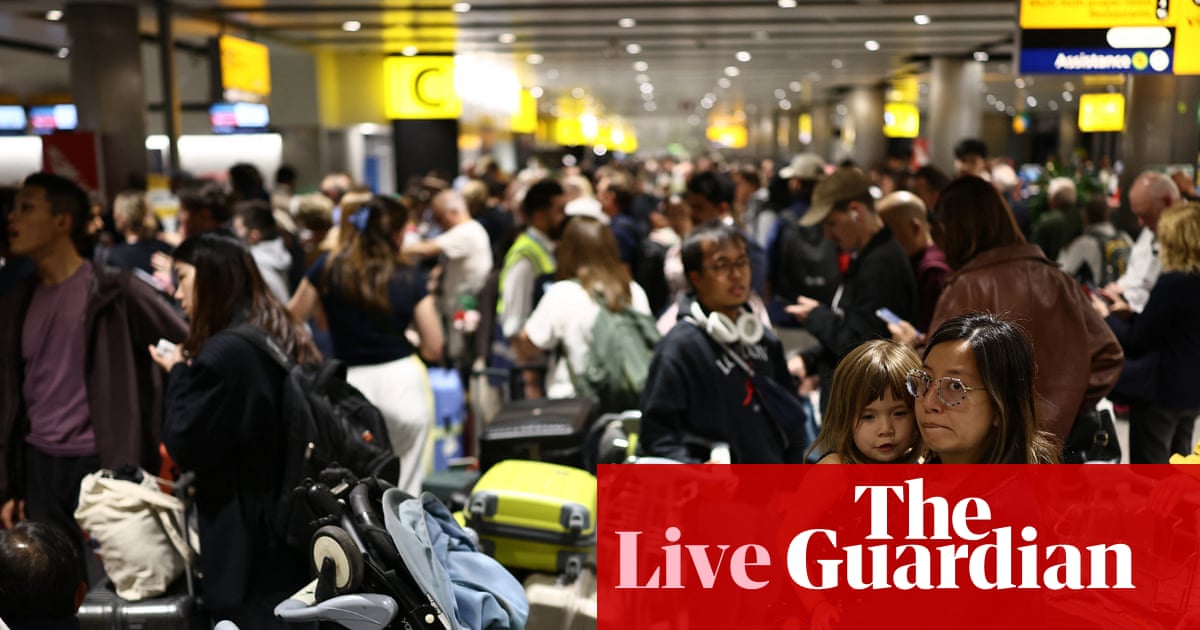
The breakdown began on Tuesday afternoon and initially grounded departures at Heathrow, Gatwick, Manchester and other major airports. Although Nats said it identified and fixed the problem within roughly four hours, the backlog spread through the aviation network, disrupting inbound flights and leaving aircraft and crews out of position. Airlines warned that the effects would continue into a second day, with tens of thousands of passengers affected.
Nats has framed the incident as an unusual but manageable technical failure. Chief executive Martin Rolfe said, “We absolutely take responsibility for this,” while stressing that such events were “relatively rare.” The company said the fault was different from previous outages and that it was working overnight with airlines and airports to restore normal operations.
Airlines and passengers see a deeper institutional problem. Ryanair called the incident an “abhorrent failure” and renewed its demand for Rolfe’s resignation, while Wizz Air argued that a critical provider should not repeatedly bring the aviation system to a standstill. The episode is the third major Nats-related stoppage in just over three years, making the latest disruption harder to dismiss as an isolated event.
The political response has moved beyond sympathy toward scrutiny. Transport Secretary Heidi Alexander summoned Rolfe to discuss the failure and said she wanted assurances that lessons would be learned. Yet Rolfe, speaking ahead of the meeting, said he “always accept(s) full responsibility,” while insisting his focus was on safety and recovery rather than his position.
That contrast captures the central dispute: Nats portrays the outage as a technical incident requiring controlled recovery, while airlines and ministers increasingly view repeated failures as evidence that the system—and possibly its leadership—needs fundamental reform.
Write a comment