Trump’s $5,000 dividend turns a midterm rally into a high-stakes test of economic credibility
Trump’s $5,000 dividend turns a midterm rally into a high-stakes test of economic credibility
President Donald Trump has transformed a Republican midterm rally into a referendum on whether voters will accept a conditional cash promise as evidence of economic success—or see it as an expensive campaign maneuver.
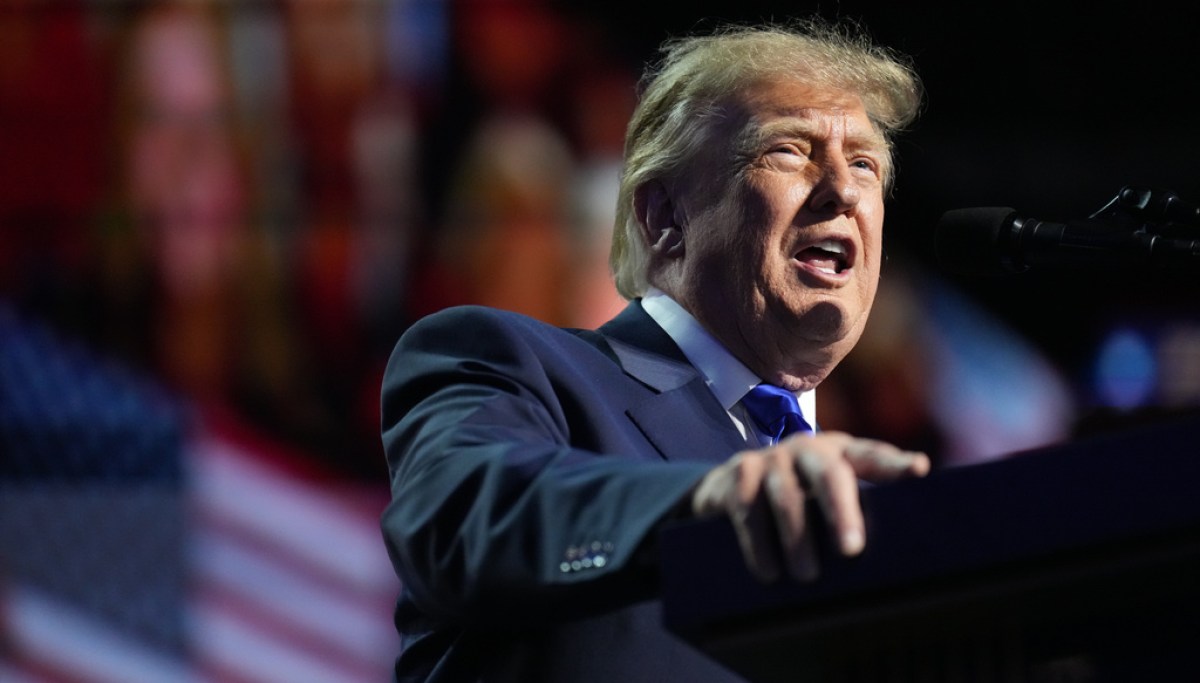
Speaking at the GOP’s inaugural midterm convention in Dallas, Trump pledged a “Trump dividend” of $5,000 for every adult American if Republicans retain both the House and Senate. He likened the payment to a company distributing money to its shareholders and framed it as the product of what he called “tremendous economic success.”
The conservative case is straightforward: Trump’s promise rewards voters for keeping his party in power and reinforces his broader claims about tax cuts, tariffs, border security and national strength. Supporters at the convention echoed that argument, saying tariffs would generate revenue and that the administration’s economic gains would become clearer once the war in Iran ended.
But the arithmetic makes the proposal far more consequential than the rally rhetoric suggests. With roughly 245 million adult Americans, the payments could cost more than $1 trillion. Trump offered no clear mechanism for distributing the money or securing congressional authorization. CBS News also noted that tariff revenue since last year amounted to just under $500 billion, while more than $100 billion had already been refunded after a Supreme Court ruling invalidated some tariffs.
That gap between promise and funding is central to the criticism. Previous pandemic-era checks had congressional backing, while Trump’s earlier proposed $2,000 “tariff dividend” never materialized. Critics therefore view the pledge less as settled policy than as an electoral inducement, especially as Republicans confront weak approval ratings and the historical disadvantage of the party holding the White House in midterms.
The Democratic response sharpened that interpretation, calling the convention a “desperate attempt” to distract from vulnerable Republican candidates and describing Trump’s speech as a “bizarre dog-and-pony show.” The competing narratives are now clear: Republicans see a dividend made possible by prosperity; opponents see a costly promise designed to make control of Congress personally profitable for voters.
Write a comment