Apple’s $1,999 Foldable iPhone Is a Bold New Chapter—or a Costly Distraction
Apple’s $1,999 Foldable iPhone Is a Bold New Chapter—or a Costly Distraction
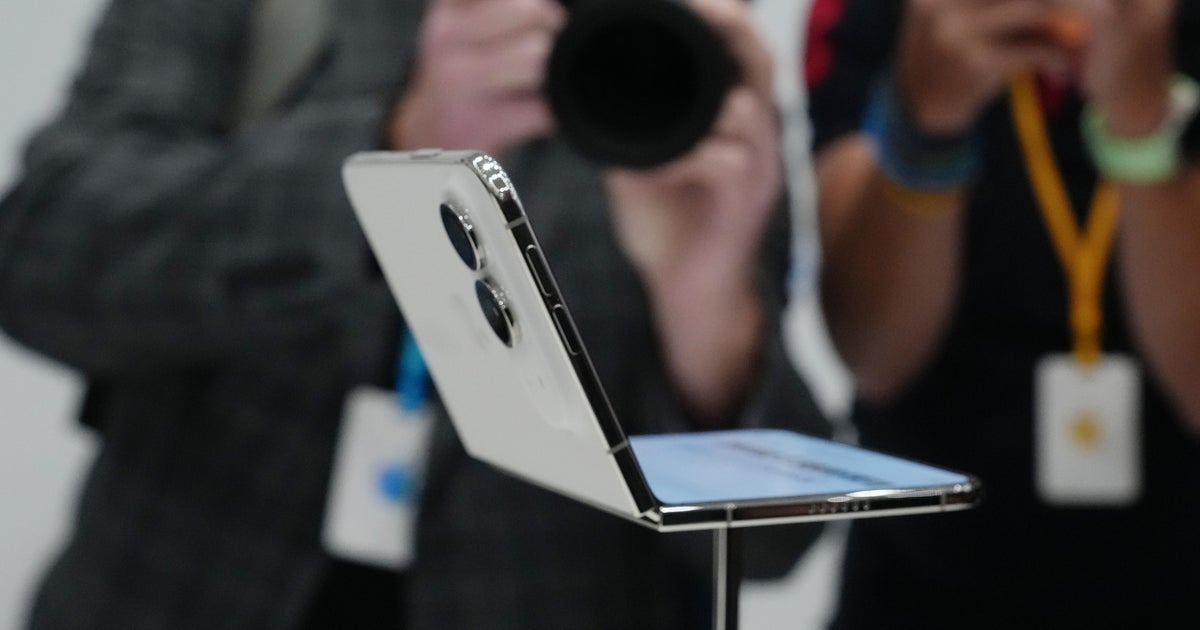
Apple’s first foldable iPhone arrives as both a product launch and a test of whether the company can rediscover its appetite for risk. The $1,999 iPhone Duo is meant to signal a new era under CEO John Ternus—but its price and limited novelty have already divided opinion.
Apple’s presentation offered the familiar strengths: polished hardware, tight integration and an emphasis on privacy. The iPhone Duo opens into a seamless 7.6-inch display, supports split-screen use and begins pre-orders on Oct. 16. The broader iPhone 18 lineup adds faster chips, longer battery life and camera upgrades, while Apple also introduced new AirPods and Watch features.
From the company’s perspective, the foldable is more than a larger screen. Ternus called it the result of “thoughtful design” and “breakthrough engineering,” positioning the Duo as a defining product for his succession to Tim Cook. Analysts broadly agreed that the device could attract early adopters and loyal iPhone Pro users, while noting that foldables may generate higher repair and insurance costs.
The leadership transition is central to the launch. Ternus presented himself as a careful engineer rather than a theatrical successor to Steve Jobs, saying he remained inspired by Apple’s “curiosity, invention and relentless pursuit of excellence.” Analysts described the new role as both an advantage and a burden: he inherits Cook’s extraordinary scale but must prove Apple can produce genuinely new categories.
That is where the skepticism sharpens. Critics argue that foldable phones have existed since Samsung popularized them in 2019, making Apple’s entry look more like market catch-up than technological leadership. At nearly the price of a MacBook Pro, the Duo may expand the iPhone’s screen without expanding its appeal.
Apple’s larger challenge is artificial intelligence. Ternus described the iPhone as an “intelligent personal hub,” but Siri’s uneven performance and Apple’s reliance on Google for parts of its AI infrastructure undermine that ambition. The launch therefore offers a paradox: Apple remains exceptionally good at refining premium hardware, even as the next major battle may be taking place somewhere else.
Write a comment