North Korea’s Nuclear Expansion Exposes the Limits of International Pressure
North Korea’s Nuclear Expansion Exposes the Limits of International Pressure
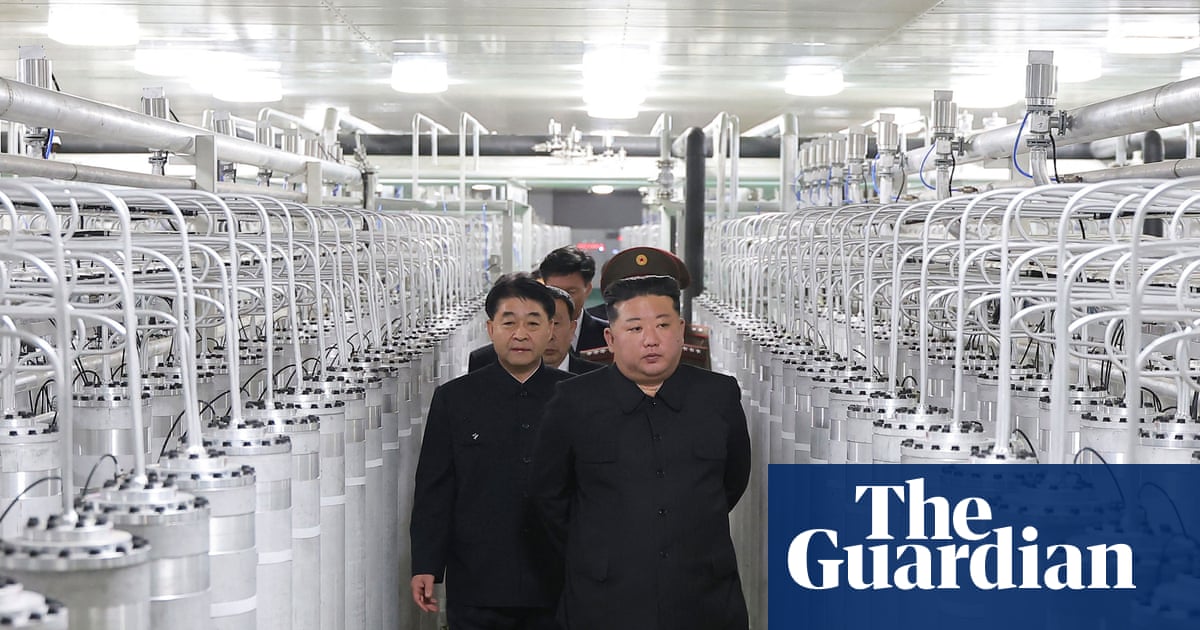
North Korea appears to be widening the industrial base of its nuclear arsenal, turning long-standing international concern into a more immediate proliferation challenge. The evidence points to expansion at two separate enrichment sites rather than an isolated upgrade.
The International Atomic Energy Agency says Pyongyang has built a second uranium-enrichment facility at Yongbyon, capable of housing up to 28 centrifuge cascades. It also documented an enlarged annex at the Kangson site, with satellite imagery suggesting operations began there in January. The agency described the developments as “a cause for serious concern.”
The conservative perspective emphasizes the physical infrastructure and the strength of the evidence: the assessment draws on commercial satellite imagery, open-source material and photographs released by North Korean state media. That framing presents the expansion as a concrete, observable breach of international restrictions rather than merely another unverified weapons claim.
The liberal account places the same findings in a broader strategic context. It reports that IAEA Director General Rafael Grossi called the “ongoing operation of enrichment facilities at Kangson and Yongbyon” and the reported expansion of weapons-grade production “a cause for serious concern.” It also cites estimates that the new Yongbyon capacity could produce roughly 85 kilograms of weapons-grade highly enriched uranium annually—enough for three or four additional warheads.
Both perspectives agree on the central fact: North Korea’s enrichment capacity is growing despite UN sanctions and the absence of international inspectors since 2009. They differ mainly in emphasis. One foregrounds the construction and verification of facilities; the other stresses the potential military output and the possibility that Pyongyang already possesses between 80 and 120 warheads. Together, the accounts suggest that diplomatic pressure has constrained neither the program’s scale nor its direction.
Write a comment