Hong Kong Convicts WSJ Publisher in Union Case as Press-Freedom Fears Deepen
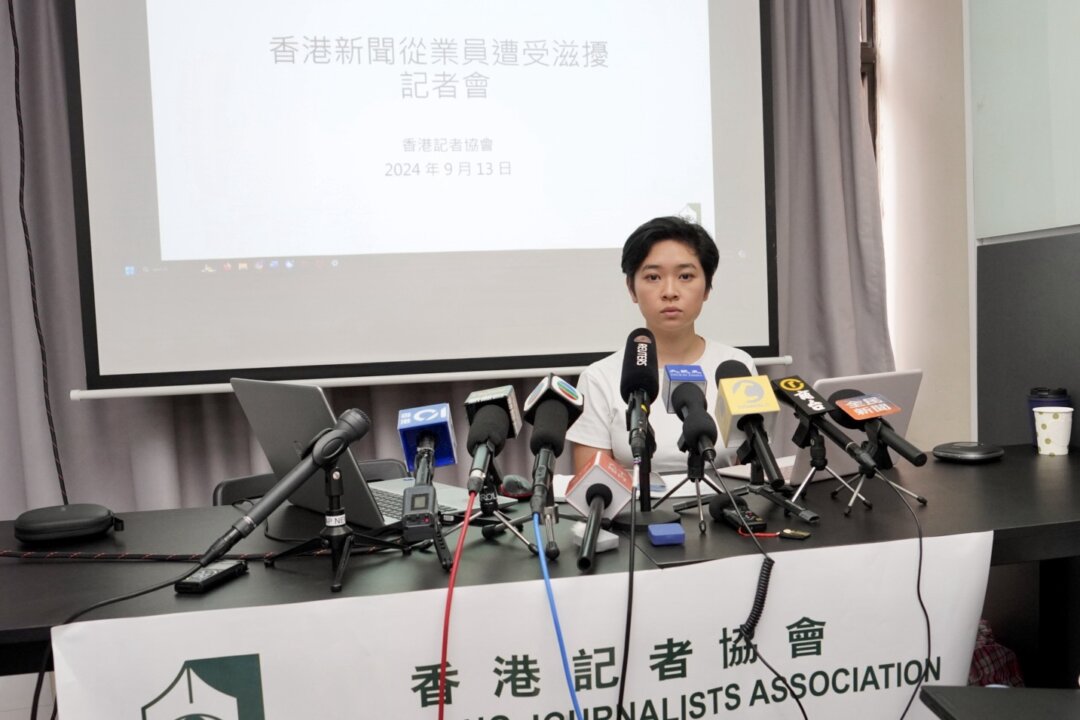
Hong Kong Convicts WSJ Publisher in Union Case as Press-Freedom Fears Deepen
Hong Kong’s conviction of the Wall Street Journal’s publisher has exposed a fault line between corporate claims of restructuring and broader fears that journalists’ labor rights are becoming inseparable from press freedom.
The court found Dow Jones Publishing guilty of “preventing or deterring an employee from exercising trade union rights,” after reporter Selina Cheng became chair of the Hong Kong Journalists Association in 2024. But it acquitted the company of dismissing or discriminating against Cheng because of her union activity, leaving the central question of motive only partly resolved.
Cheng said her termination, which the company attributed to restructuring, came after management challenged her union role and insisted that outside activities required approval. The magistrate concluded that the company had applied its code of conduct “wrongful[ly] and unjustified[ly]” when it demanded that she seek permission to lead the association.
The liberal account places the ruling in the context of Hong Kong’s deteriorating media environment. Cheng warned: “If reporters’ employment rights are not sufficiently safeguarded, or when their rights are violated and not enforced in law, then we can no longer work safely as reporters.” A press-freedom advocate called the case a “very bad precedent,” arguing that punishing an employee for exercising constitutionally protected rights could chill journalism.
The conservative account emphasizes the narrower legal finding: Dow Jones was convicted of deliberately obstructing Cheng’s legal right to become an officer of a registered trade union, while the firing allegation failed. It also stresses that the HKJA has faced mounting pressure since Beijing imposed a national-security law in 2020.
Both perspectives agree that the case tests the boundaries of union activity in Hong Kong’s news industry. They diverge over what the verdict proves: a warning that corporate policies can undermine press freedom, or a limited labor ruling that stops short of establishing discriminatory dismissal.
Write a comment