The ECB’s Rate Hike Exposes Europe’s Inflation-Growth Trap
The ECB’s Rate Hike Exposes Europe’s Inflation-Growth Trap
The European Central Bank is trying to contain an inflation problem that is being driven partly by forces monetary policy cannot easily control, while risking a sharper slowdown in the process.
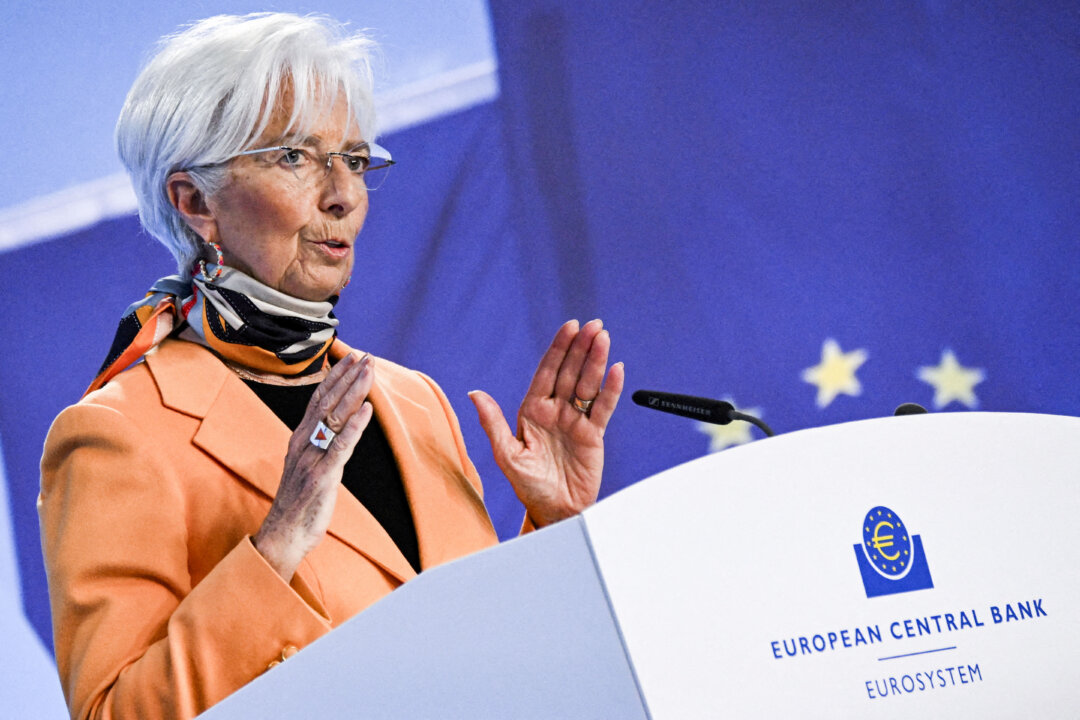
The ECB raised its key interest rate to 2.5%, its second increase since June, as inflation remained above its 2% target. The conservative account presents the decision as a necessary and broadly expected response to “upside inflation risks and downside threats to economic growth.” In that view, higher rates are not simply a brake on demand but a signal to financial markets—and potentially to the Federal Reserve and Bank of Japan—that price stability remains the priority.
The liberal account emphasizes the wider market pressure behind the move. Oil prices had climbed above $100 a barrel, while the 10-year U.S. Treasury yield approached 5%, showing how energy shocks and government borrowing costs were feeding inflation fears beyond Europe. The ECB itself cited “risks to the upside for inflation and to the downside for economic growth.”
Both perspectives agree that inflation is the immediate problem, but they frame the policy trade-off differently. The conservative analysis stresses institutional discipline and the need to prevent elevated prices from becoming entrenched. The market-focused analysis instead highlights a dangerous collision: central banks are tightening even as crude prices surge and bond markets resist attempts to contain borrowing costs.
That distinction matters. Rate increases may cool demand and support the ECB’s credibility, but they cannot directly restore disrupted energy supplies. They can, however, make mortgages, business loans and public debt more expensive. The ECB’s challenge is therefore not merely whether inflation is too high, but whether fighting it with higher rates produces the economic weakness policymakers are simultaneously warning about.
Write a comment