A 9/11 tribute has become the defining fault line in Michigan’s Senate race
A 9/11 tribute has become the defining fault line in Michigan’s Senate race
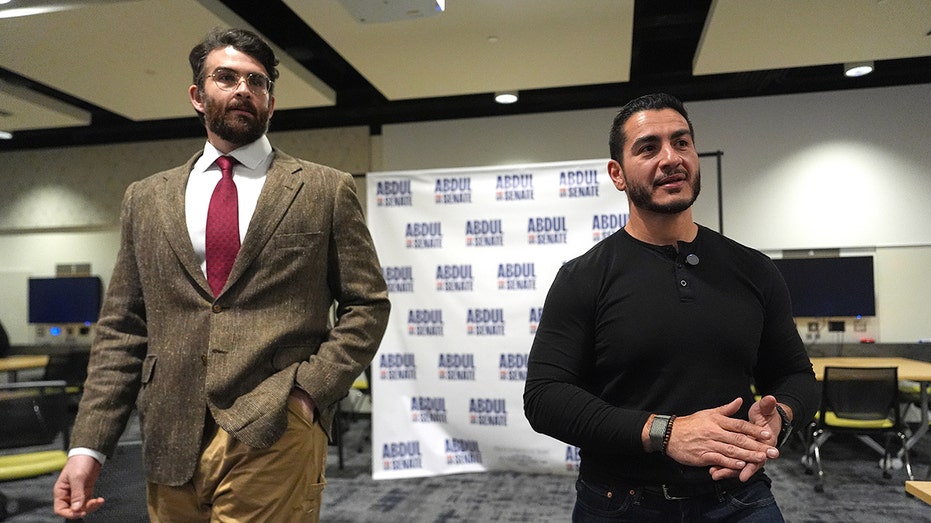
Abdul El-Sayed’s effort to commemorate 9/11 has been pulled into Michigan’s Senate battle, where competing arguments about patriotism, extremism and political exploitation now overshadow the race’s policy issues.
The Democratic nominee opened a recent event with a moment of silence and said the attacks “scarred our country in profound ways,” while arguing that the U.S. response “scarred millions of other people.” He has also unequivocally condemned the attacks, saying that “nothing can justify the murder of innocent civilians.”
Republicans, however, have centered their criticism on El-Sayed’s past campaigning with streamer Hasan Piker, who said in 2019 that “America deserved 9/11.” A conservative report portrayed El-Sayed’s latest social-media tribute as evasive because it omitted his usual criticism of the wars that followed the attacks. Online critics accused him of hypocrisy, while one GOP strategist called his association with Piker evidence of “true loyalties.”
El-Sayed has distanced himself from Piker’s remarks, calling them “dumb,” and said that only he and his campaign spokesperson speak for his campaign. His supporters and Muslim advocacy groups argue that the attacks exploit his identity as a practicing Muslim. “They look at him, because he’s a Muslim, so they target that with the rhetoric about being dangerous,” said Afghanistan veteran Tyler Mitchell.
El-Sayed has tried to redirect the contest toward healthcare, the economy and veterans’ benefits, accusing Republican opponent Mike Rogers of voting against the 2010 Zadroga Act. Rogers says that interpretation is “patently false,” pointing to his support for annual funding for survivors and first responders. The contrast is sharp: Democrats see a campaign weaponizing guilt by association, while Republicans frame the controversy as a test of El-Sayed’s judgment and allegiance. Both sides, meanwhile, are using 9/11 less as shared remembrance than as a proxy fight over national identity.
Write a comment