Haiti Assassination Suspects Face U.S. Trial as Justice at Home Stalls
Haiti Assassination Suspects Face U.S. Trial as Justice at Home Stalls
The extradition of 18 suspects in the assassination of Haitian President Jovenel Moïse shifts the case decisively into the U.S. justice system, exposing both Washington’s expanding reach and Haiti’s inability to complete the prosecution itself.
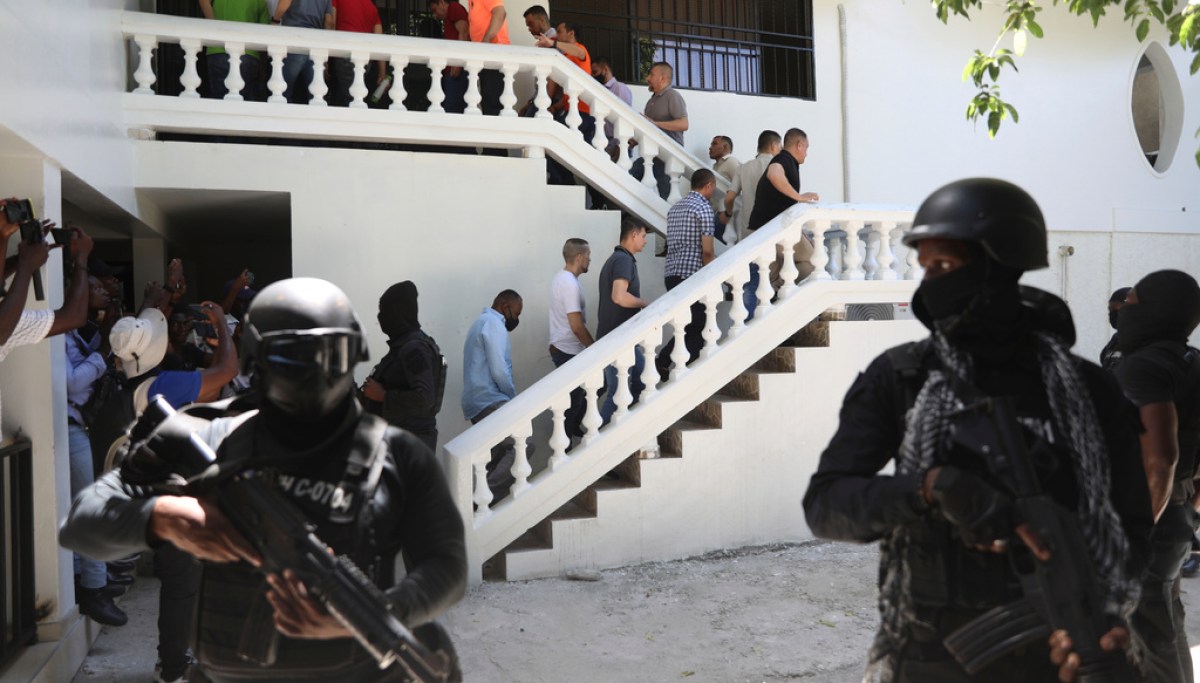
The suspects, arrested after Moïse was killed at his private residence in July 2021, are being taken to Florida to face trial. U.S. Attorney Jason Reding Quiñones called the transfer “the next major phase” in pursuing accountability and said prosecutors would follow the evidence to those who “financed it, facilitated it, supported it or committed crimes to make it possible.”
That emphasis on a widening conspiracy is shared by the FBI. Special Agent Brett Skiles said international arrests demonstrated the bureau’s commitment to bringing “all participants in this plot to justice.” U.S. prosecutors have now indicted 30 people, while four men were convicted in Miami in May and at least five others have received life sentences.
The conservative accounts focus more narrowly on the mechanics and scale of the transfer: 18 defendants were transported from Haiti on a military aircraft, with Florida becoming the venue for justice after what one report described as a “drawn-out judicial process” in Port-au-Prince. Another conservative report likewise highlighted the official count—30 indicted and 18 sent to the United States—without adding broader political claims.
The larger context complicates the message of progress. Haiti has no president, gangs control much of Port-au-Prince, and a long-delayed international security force remains far below its planned strength. The U.S. cases may deliver convictions, but the extradition also underlines how little faith remains in Haiti’s own institutions to resolve the killing of its elected leader.
Write a comment