Greenland Deal Gives Trump Security Control Without Settling the Sovereignty Question
Greenland Deal Gives Trump Security Control Without Settling the Sovereignty Question
The Greenland security agreement presents itself as a partnership—but its language grants Washington unusually broad authority over the Arctic island, sharpening the tension between collective defense and territorial autonomy.
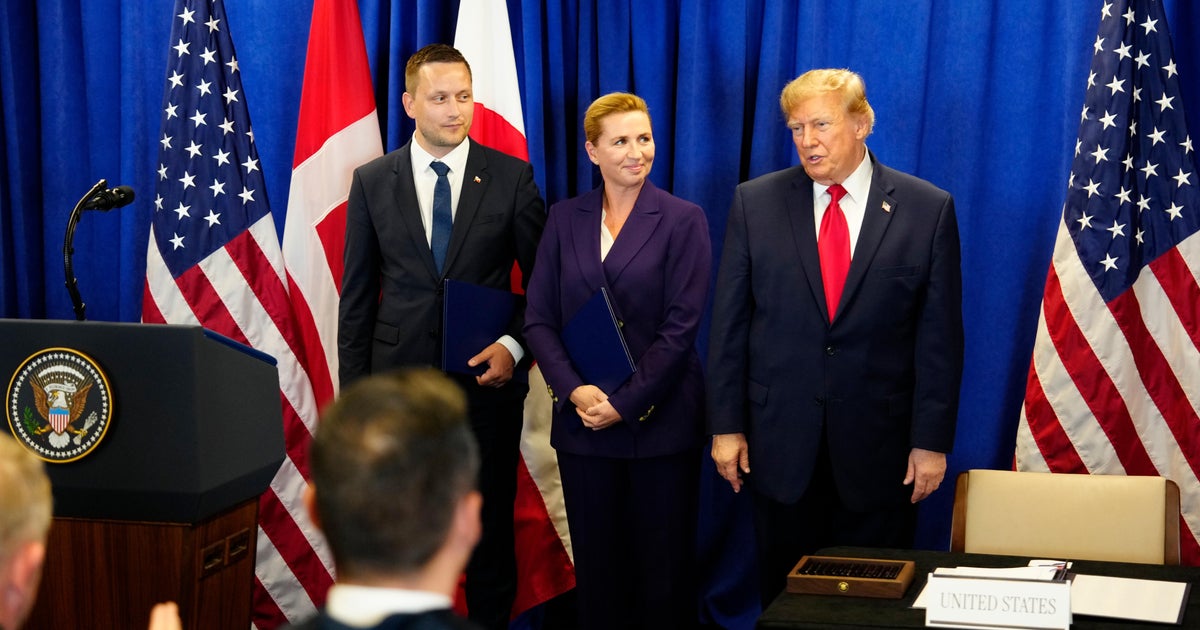
President Donald Trump signed the accord with Danish Prime Minister Mette Frederiksen and Greenlandic Prime Minister Jens-Frederik Nielsen at the United Nations, with the conservative account framing it as a decisive American security victory. The White House called the deal “critical for American national security and defense in the Arctic Region,” while Trump announced plans for two major military bases. 1
The liberal account emphasizes what the agreement actually permits: expansion of the existing Pituffik Space Base, possible new facilities at Narsarsuaq and Mestersvig, and additional “defense areas” proposed by any of the three parties. It has no expiration date and would remain in force even if Greenland became independent from Denmark. 2
That contrast defines the deal. Supporters see a coordinated response to Russian and Chinese activity, reinforced by provisions blocking non-NATO military bases and tightening scrutiny of foreign investment. Secretary of State Marco Rubio called it “a huge win for the United States and the American people” and said it secured U.S. Arctic interests at “zero cost to the U.S. taxpayer.” 3
But the agreement’s political sensitivity lies in Trump’s description of it as giving the United States “permanent control over security and all other needs” in Greenland. 2 Greenland’s premier stressed that the world had changed since the original 1951 pact, while Frederiksen underscored Denmark’s territorial integrity and Greenland’s right to self-determination. The result is a compromise with two competing messages: Greenland remains formally sovereign, yet Washington gains enduring authority over its defense—and potentially its strategic future.
Write a comment