Supreme Court Revives Trump’s Voter Database as Critics Warn of Purge Risks
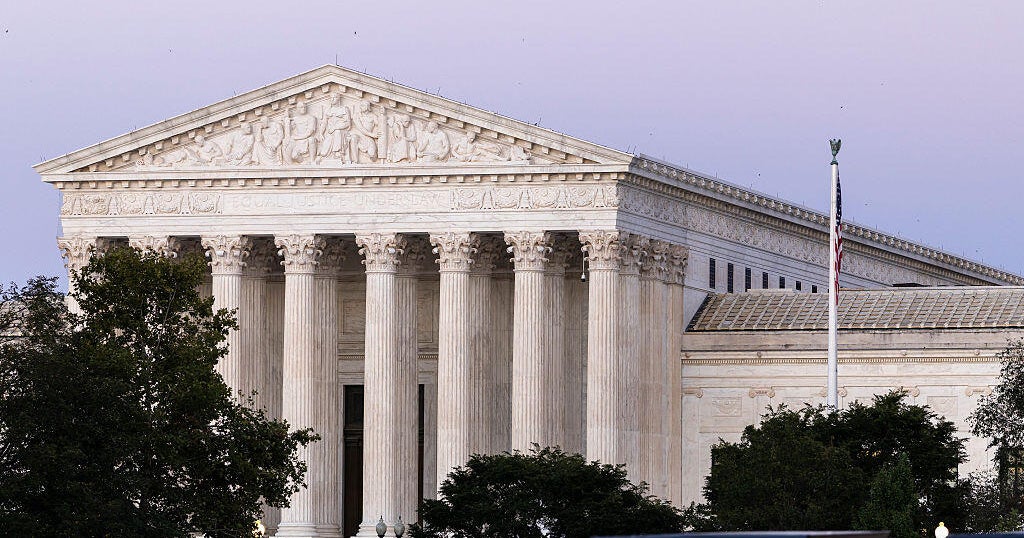
Supreme Court Revives Trump’s Voter Database as Critics Warn of Purge Risks
The Supreme Court has temporarily cleared the Trump administration to revive a controversial voter-verification database, sharpening a pre-election clash over whether the system protects election integrity or threatens lawful voters.
The 6-3 ruling allows the Department of Homeland Security to let states compare voter-roll information—including Social Security numbers—with federal citizenship and immigration records. The majority said voting-rights groups’ legal claims “likely lack merit” and that federal law authorizes the government to respond to state requests for citizenship information.
Conservative coverage cast the decision as a victory for election security, emphasizing that the modified Systematic Alien Verification for Entitlements database combines records to make citizenship checks faster and more reliable. One account described the ruling as an “election integrity win” and said the court found claims that the changes violated privacy laws likely unsupported. The administration likewise called it a “victory for election integrity,” arguing that officials should be able to use government data to prevent noncitizens from voting.
Liberal groups and the court’s three liberal justices focused instead on the consequences of error. Justice Ketanji Brown Jackson wrote that “the harm caused by burdening or disenfranchising even a few lawful voters” outweighed any injury to the government from being blocked. Plaintiffs say the expanded database has already produced false matches, including naturalized citizens whose records may not be current. They cited instances in which 25% of alleged noncitizen matches in one Texas county involved people who had proved their citizenship, while at least 81% of responses in St. Louis County were reportedly erroneous.
The ruling is temporary, and federal law still restricts systematic voter removals within 90 days of an election. But it permits individualized inquiries while the broader legal fight continues. The central dispute is therefore unresolved: conservatives see a necessary federal tool against illegal voting, while voting-rights advocates see an unreliable database capable of turning administrative mistakes into lost ballots.
Write a comment