Russia’s Expanding Strikes Turn Ukraine’s Economy and Everyday Life Into Targets
Russia’s Expanding Strikes Turn Ukraine’s Economy and Everyday Life Into Targets
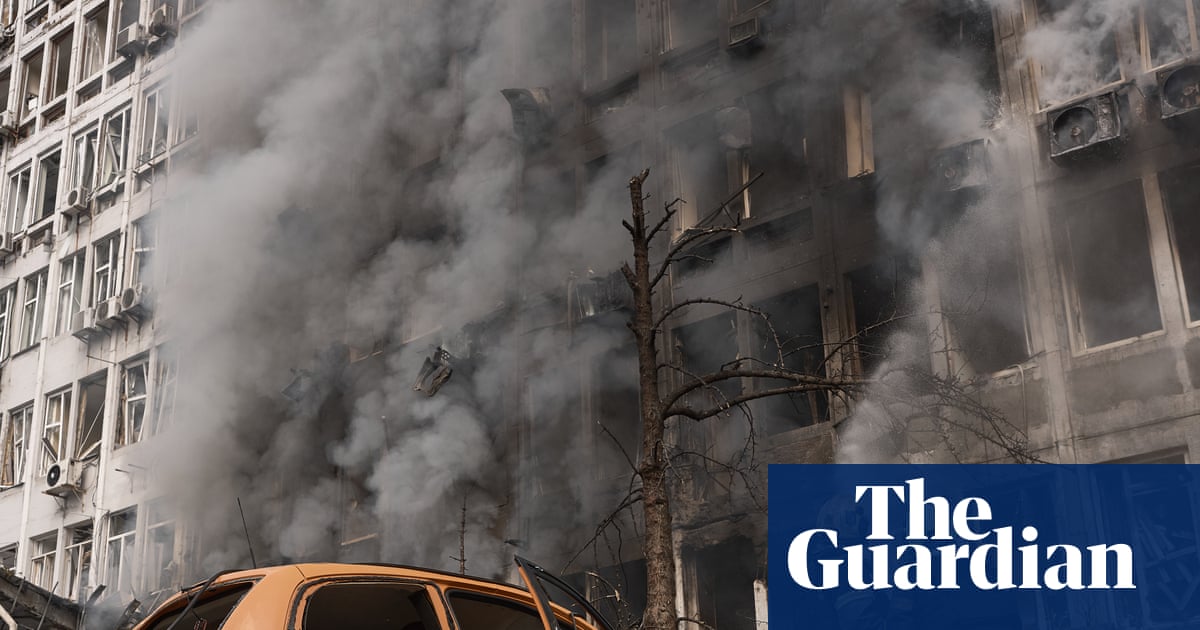
Russia’s latest strikes are testing whether Ukraine can keep its economy and essential services functioning as attacks increasingly reach the digital networks, factories and warehouses that sustain ordinary life.
In Kyiv, strikes on datacentres and internet providers temporarily disrupted service for about 100,000 households, while a drone attack on telecommunications company Datagroup killed four people. Ukrainian officials and industry figures fear that repeated attacks, compounded by winter power shortages, could undermine banking, payments and public services. Foreign Minister Andrii Sybiha said Russia was targeting “major Ukrainian datacentres” to disrupt the flow of information.
The same pattern is visible in heavy industry. ArcelorMittal shut Ukraine’s largest steel plant in Kryvyi Rih after four strikes in five weeks damaged the facility and killed five workers. The company said “safe and sustainable” operations were no longer possible. The closure strikes at a sector that once generated 15% of Ukraine’s exports, deepening pressure on a wartime economy already facing damaged logistics, ports and commercial facilities.
Kyiv frames the campaign as a deliberate assault on civilian resilience. President Volodymyr Zelenskyy said Russia was treating “ordinary life in and of itself” as a target, including food warehouses, businesses, datacentres and internet providers. The government is seeking more foreign financing, air-defence missiles and investment in domestically produced drones, while warning that Patriot supplies remain critically limited.
Moscow offers a sharply different interpretation. President Vladimir Putin said Russia was not preparing for “any kind of hostilities with Europe” and had “no real motive” to escalate tensions. European officials, however, argue that political uncertainty should not obscure Ukraine’s immediate needs. The contrast is stark: Russia describes restraint, while Ukraine and its supporters see a widening campaign against the infrastructure of daily life.
Write a comment