Supreme Court Stops Missouri’s GOP Map as Election Chaos Takes Center Stage
Supreme Court Stops Missouri’s GOP Map as Election Chaos Takes Center Stage
Missouri’s congressional map will remain frozen in place for the 2026 election, ending—at least for now—a legal fight that pitted Republican ambitions for another House seat against the practical demands of an election already in motion.
The Supreme Court’s unsigned order blocks use of the 2025 map, which was designed by the Republican-led legislature and backed by President Donald Trump. That plan would have given Republicans an advantage in seven of the state’s eight House districts, compared with their current six-seat majority. The court said lower courts should neither block the 2022 map nor require Missouri to use the newer lines.
The decisive argument was timing, not an endorsement of either map. Ballots had already been printed and mailed, while absentee, military and overseas voting had begun. The justices warned that “at this late date, ordering reversion to the 2025 map in the midst of an ongoing election would usher in electoral chaos.” The ruling leaves voters in the districts used in 2022 and 2024, even though candidates competed in August’s primary under the newer boundaries.
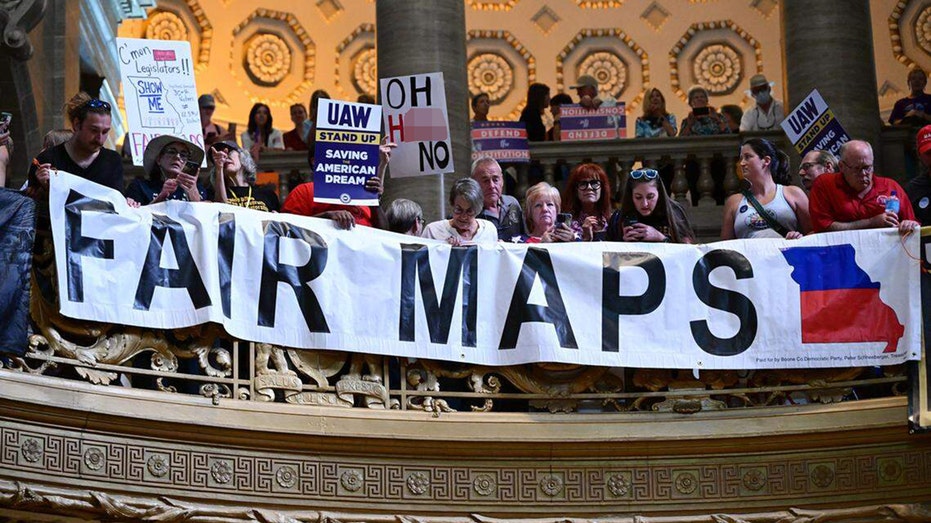
That outcome is being read very differently across the political divide. Critics of the redraw, including Democratic Rep. Emanuel Cleaver, called it a victory for voters after more than 305,000 Missourians sought a referendum on the map. Republicans and state officials, by contrast, argued that reverting to the old lines after the primary could confuse voters, disrupt candidates’ campaigns and potentially disenfranchise primary voters. Missouri officials said using the newer map “better advances the public interest.”
The court’s ruling resolves the immediate ballot question but leaves the underlying dispute unsettled: whether mid-decade redistricting can be used to reshape congressional power, and whether courts should intervene once an election has begun. Missouri’s map battle has already produced multiple conflicting orders and at least 16 related lawsuits.
Write a comment