DNA Exclusion Wins Bail for Utah Death Row Prisoner, but the Murder Case Is Far From Over
DNA Exclusion Wins Bail for Utah Death Row Prisoner, but the Murder Case Is Far From Over
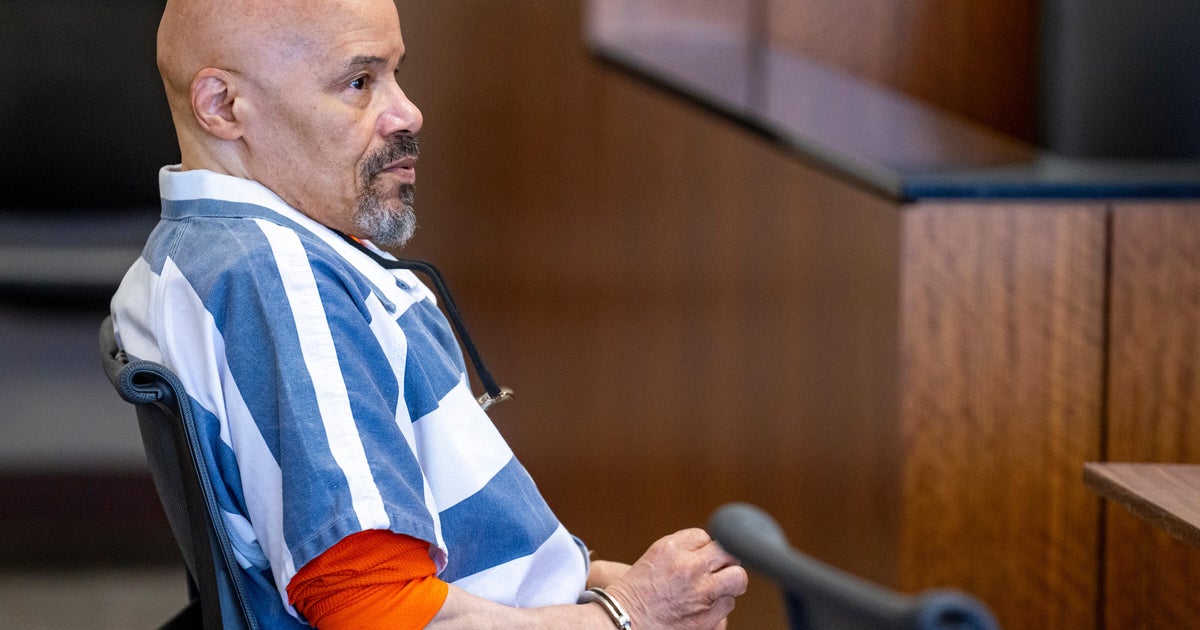
A Utah judge has ordered the release on bail of a man who spent four decades on death row, but new DNA evidence has not ended the murder case or resolved the competing claims of wrongful conviction and unfinished justice.
Douglas Stewart Carter, 71, was convicted of killing Eva Olesen in 1985 and twice sentenced to death. The case rested heavily on a confession Carter says was coerced and testimony from two witnesses who later recanted. The Utah Supreme Court ordered a new trial last year, citing “multiple instances of intentional misconduct” by police and a prosecutor.
Fresh testing has now excluded Carter as a possible match to blood found on a doorknob and genetic material recovered from the knife used in the killing. Judge Derek Pullan said the results further weakened the prosecution’s case, though he concluded that a reasonable jury could still find Carter guilty. Carter will wear a GPS monitor and must avoid Olesen’s family while prosecutors reassess the remaining evidence.
The defense sees the ruling as a long-overdue acknowledgment of a deeply damaged case. “He’s being released with 41 years of state-induced trauma,” attorney Neal Hamilton said, arguing that freedom will not erase the effects of Carter’s incarceration. Prosecutors, meanwhile, have withdrawn their notice seeking the death penalty but have not abandoned the possibility of a retrial.
Olesen’s family interprets the DNA results differently. “It doesn’t mean he wasn’t there,” Theresa Olesen said, insisting that investigators continue pursuing the case.
The supplied conservative source does not address Carter’s case; it instead describes Stelco’s decision to idle Hamilton, Ontario, finishing operations, potentially affecting 500 workers because of “market uncertainty.” That mismatch underscores how sharply the relevant perspectives here divide: the defense emphasizes unreliable evidence and state misconduct, while the family and prosecutors focus on whether the absence of a DNA match proves innocence.
Write a comment