DNA Evidence Frees Utah Death-Row Prisoner but Leaves the 1985 Murder Unsolved
DNA Evidence Frees Utah Death-Row Prisoner but Leaves the 1985 Murder Unsolved
The release of Douglas Stewart Carter after more than four decades on Utah’s death row has exposed a case caught between two unresolved failures: the evidence against him is collapsing, but the murder of Eva Olesen remains unsolved.
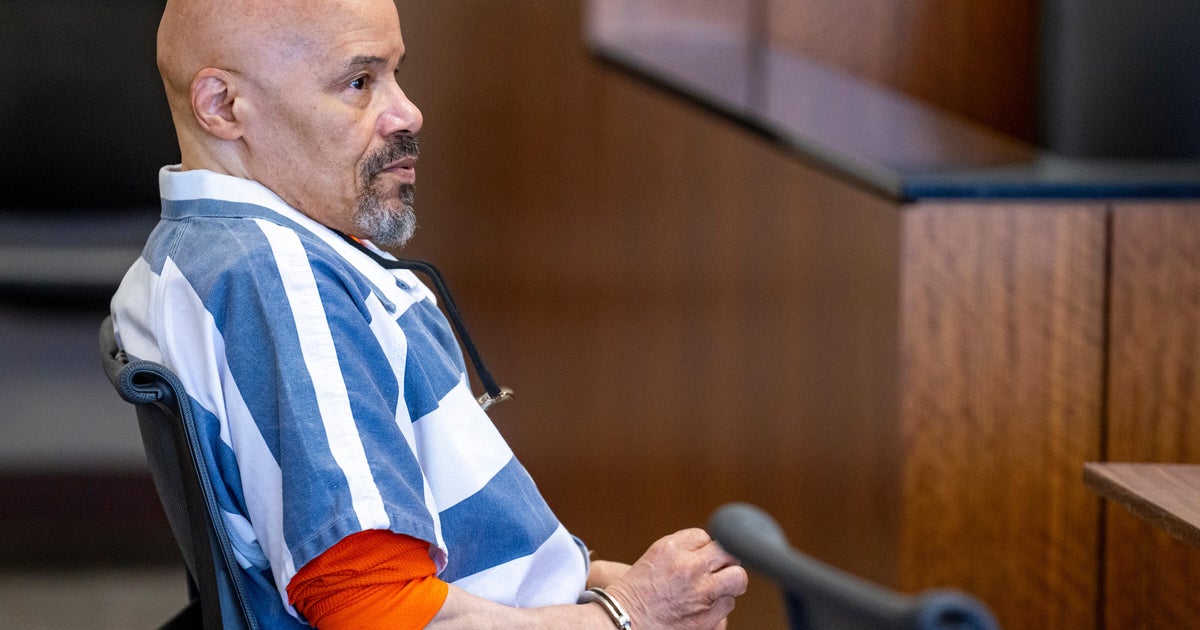
A judge ordered Carter, 71, released on bail after prosecutors said new DNA analysis excluded him as a possible source of blood on a doorknob and genetic material from the handle of the knife used to kill Olesen. He must wear a GPS monitor, avoid the victim’s family and await a new trial. Prosecutor Erwin Petilos called the decision “necessary and fair” while the state reviews the remaining evidence.
The prosecution’s case was already under severe strain. Carter was convicted largely on a confession he says was coerced and testimony from two witnesses who later recanted, saying police paid and threatened them. The Utah Supreme Court ordered a new trial after citing “multiple instances of intentional misconduct” by investigators and a prosecutor.
That history drives the defense’s interpretation: Carter is not simply a defendant awaiting another trial, but a man emerging from what his attorney describes as decades of state-inflicted harm. Neal Hamilton said Carter was leaving custody with “41 years of state-induced trauma,” and called for the aggravated murder charge to be dismissed.
The victim’s family sees the DNA result differently. Theresa Olesen said relatives had “serious concerns” about Carter’s release and warned that exclusion from the tested samples does not prove he was absent from the crime. “We just want justice for Eva,” she said, insisting that any role Carter may have played must still be established.
Both sides now face an uncomfortable gap between legal certainty and factual resolution. The DNA evidence weakens the case against Carter, while the disputed confession and recanted testimony raise questions about how he was convicted. Yet prosecutors have not said whether they will use the genetic evidence to identify another suspect, leaving Carter’s freedom—and Olesen’s killer—subject to further uncertainty.
Write a comment