Trump’s Canadian Import Ban Escalates a Trade Fight Neither Side Wants to Call a Crisis
Trump’s Canadian Import Ban Escalates a Trade Fight Neither Side Wants to Call a Crisis
The United States has begun blocking a new range of Canadian goods, turning an already bitter tariff dispute into a more tangible confrontation for businesses on both sides of the border.
The ban covers alcoholic beverages, dairy products, whey, molasses and motorcycles with engines larger than 800cc. Both accounts describe the measure as affecting roughly $1 billion in imports and as retaliation for Canadian tariffs, but they diverge sharply on its significance. The conservative account portrays the economic impact as limited, noting that the measure touches only a fraction of annual bilateral trade. The liberal account offers a broader estimate from the American Action Forum, putting the value of the listed goods at about $19.9 billion. The discrepancy underscores how the dispute can look either contained or economically dangerous depending on what is counted.
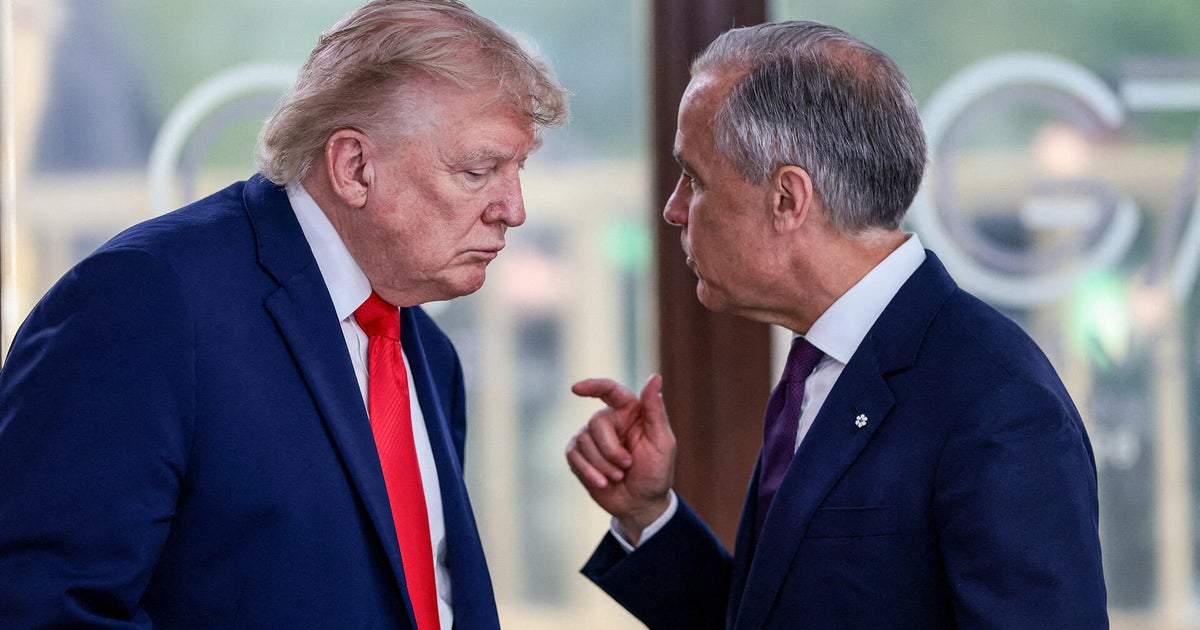
Washington is presenting the ban as leverage rather than an emergency. U.S. Trade Representative Jamieson Greer said there was “no urgency on our side,” arguing that the United States continues to receive essential Canadian oil, gas and potash. President Donald Trump, meanwhile, predicted Canada would soon abandon its tariffs and claimed, “We’re going to win everything.”
Ottawa’s position is more guarded. Trade Minister Dominic LeBlanc called the U.S. measures “illegal and unjustified,” while insisting Canada would not accept an agreement damaging its sovereignty or economy. Prime Minister Mark Carney has signaled that the ban’s immediate effect is modest, and Canada has refrained from announcing further retaliation.
The common ground is narrow: neither side appears eager to sever trade entirely. Yet the differing rhetoric—Washington’s confidence, Ottawa’s resistance and the competing estimates of economic harm—suggests that a prolonged standoff could still weigh heavily on manufacturers, farmers and smaller businesses.
Write a comment