Shoebridge Takes Greens Leadership as Party Seeks Hope Amid Internal Contest
Shoebridge Takes Greens Leadership as Party Seeks Hope Amid Internal Contest
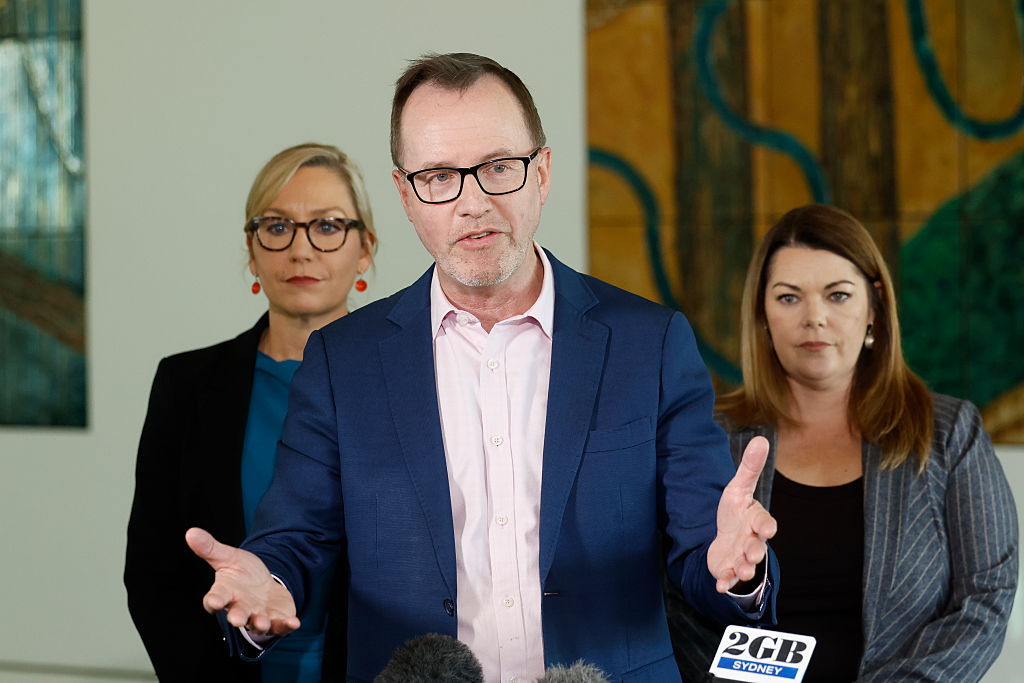
The Greens have moved quickly from a sudden health-driven leadership crisis to a contested handover, with David Shoebridge emerging as the party’s new leader and Steph Hodgins-May as his deputy.
The transition began when Larissa Waters resigned after revealing that worsening kidney disease had forced her to step down. Her departure, described as a shock within the party, prompted an immediate contest among senior senators. Sarah Hanson-Young publicly confirmed her candidacy, while David Shoebridge and Steph Hodgins-May were reported to be considering a joint ticket.
The eventual result gave Shoebridge a clear victory over fellow New South Wales senator Mehreen Faruqi and Hanson-Young. Hodgins-May, a Victorian senator, was selected as deputy, creating a leadership team expected to serve for the next 18 months.
The contrast between the two moments is significant. Before the vote, the Greens appeared to be managing uncertainty over both Waters’s unexpected resignation and the shape of the succession. Afterward, Shoebridge presented the change as an opportunity to project renewed confidence, saying the party would deliver “that sense of hope and opportunity that Australians are begging for” while confronting the climate crisis.
That message combines the Greens’ familiar climate focus with an effort to broaden their appeal beyond internal leadership politics. Yet the ballot also underscores the party’s competitive factions: three established senators sought the top job, and the new leadership must now turn a closely watched contest into a coherent public agenda. Shoebridge’s immediate challenge is to show that the transition represents more than a change of personnel after Waters’s illness-forced exit.
Write a comment