A’ja Wilson’s Fan Confrontation Exposes the WNBA’s Uneasy Boundaries
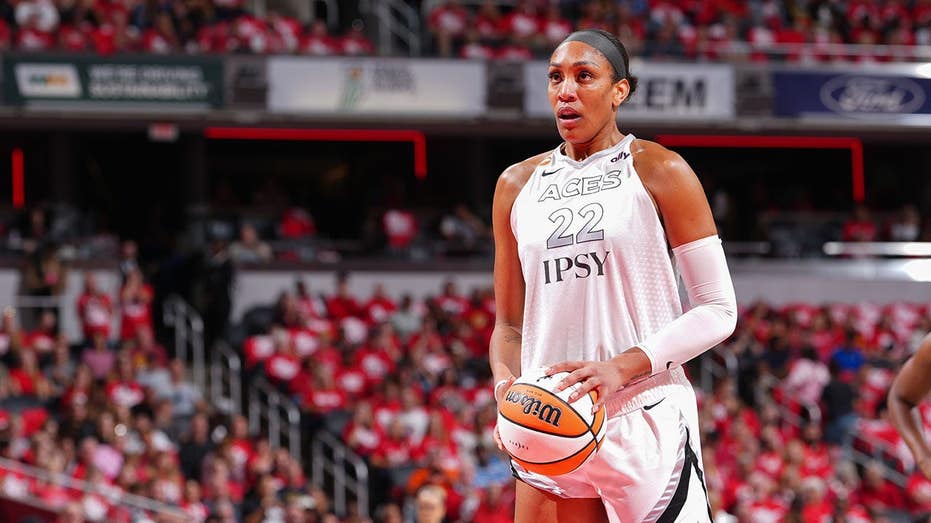
A’ja Wilson’s Fan Confrontation Exposes the WNBA’s Uneasy Boundaries
A’ja Wilson’s confrontation with an Indiana Fever spectator turned a tense playoff game into a wider dispute over where competitive emotion ends and professional conduct begins.
Late in the fourth quarter of Indiana’s 99–89 victory, the Las Vegas Aces star left the court after a foul and approached a fan who had pointed toward her and shouted, “It’s on you!” Officials assessed Wilson a technical foul. The Fever later said arena security interviewed witnesses and found “no violation of the Fan Code of Conduct,” allowing the spectator to remain in the arena.
Wilson defended her reaction after the game, saying, “You don’t step towards me. You should never step and point at me.” Her account, echoed cautiously by Aces coach Becky Hammon, framed the episode as a personal boundary crossed rather than an overreaction. Hammon said she had not seen the initial exchange but believed Wilson felt “very disrespected in that moment.”
The opposing interpretation is sharper: the fan was investigated and found not to have violated arena rules, while Wilson was punished for leaving the playing area. That contrast has prompted criticism that the league and broadcasters are more willing to excuse players’ conduct than scrutinize it. The game itself—Caitlin Clark’s 27 points, 15 assists and seven rebounds helping tie the series—was consequently overshadowed.
Critics also focused on the response from credentialed media. One account said former Fever player and Amazon commentator Sydney Colson lunged toward the spectator while being restrained, and that analyst Theresa Plaisance called the fan a “little b*h boy.” The report argues that such behavior would ordinarily invite disciplinary action, particularly from a broadcaster expected to maintain distance.
The two perspectives converge on one point: the confrontation became a failure of control. They diverge over who first crossed the line—and whether accountability should apply equally to players, fans and commentators.
Write a comment