The FlyDubai cockpit attack exposes a stark clash between terrorism claims and aviation-security failures
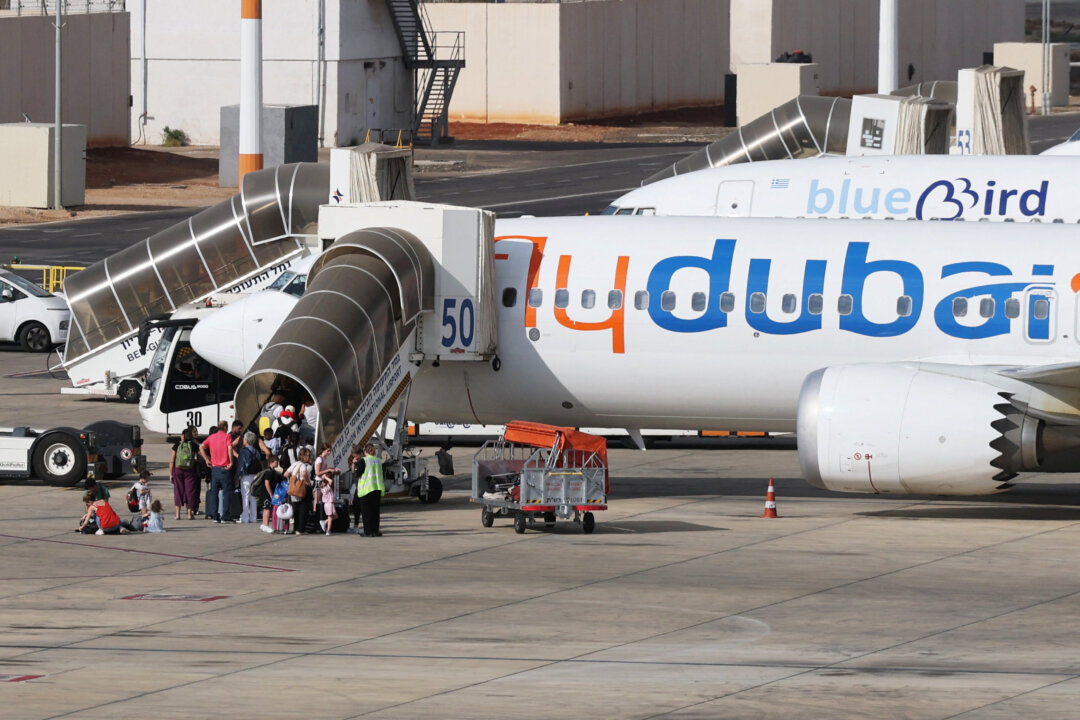
The FlyDubai cockpit attack exposes a stark clash between terrorism claims and aviation-security failures
The alleged attack aboard FlyDubai Flight FZ1073 has become more than a terrifying account of cockpit violence: it is now a test of whether authorities can explain how a pilot reportedly flagged for extremist views reached the controls of a passenger jet.
According to a source cited by Fox News, Oman Air grounded the co-pilot in 2024 after discovering he had visited radical Islamic websites. The source also alleged that FlyDubai did not consult Oman Air before hiring him, though Fox News said it had not independently verified the reason for the earlier grounding.
That account has fueled a security-failure narrative. Another report, citing a Wall Street Journal investigation, said the Omani national had previously been banned from flying over concerns about radical ideological views, yet was hired by FlyDubai eight months ago. If confirmed, the episode would raise questions not only about individual intent but also about information-sharing between airlines, regulators and national authorities.
Israeli officials have emphasized a more direct interpretation. Prime Minister Benjamin Netanyahu described the incident as terrorism and said the attacker had undergone “Islamic radicalization.” He further said, “He came to crash the passengers on board,” while authorities investigate whether the suspect acted alone. The UAE, leading the investigation, has declined to comment on the suspect’s background, warning that public statements could prejudice the inquiry.
The survival of the 174 passengers depended on an improvised response: reserve pilots and passengers helped regain control after the aircraft entered a steep descent. One passenger, Yaniv Hayun, said the television documentary series “Air Crash Investigations” helped him act during the cockpit struggle.
The competing narratives are not mutually exclusive. A deliberate attack may have occurred, but the central unresolved question is whether warning signs were missed—or never shared—before the alleged attacker entered the cockpit.
Write a comment