Hōlei Sea Arch’s Collapse Turns a Natural Landmark’s End Into a Warning About Intensifying Storms
Hōlei Sea Arch’s Collapse Turns a Natural Landmark’s End Into a Warning About Intensifying Storms
The collapse of Hawaii’s roughly 550-year-old Hōlei Sea Arch marks the sudden end of a landmark long understood to be living on borrowed time—and raises fresh questions about how extreme weather is reshaping the islands’ vulnerable coast.
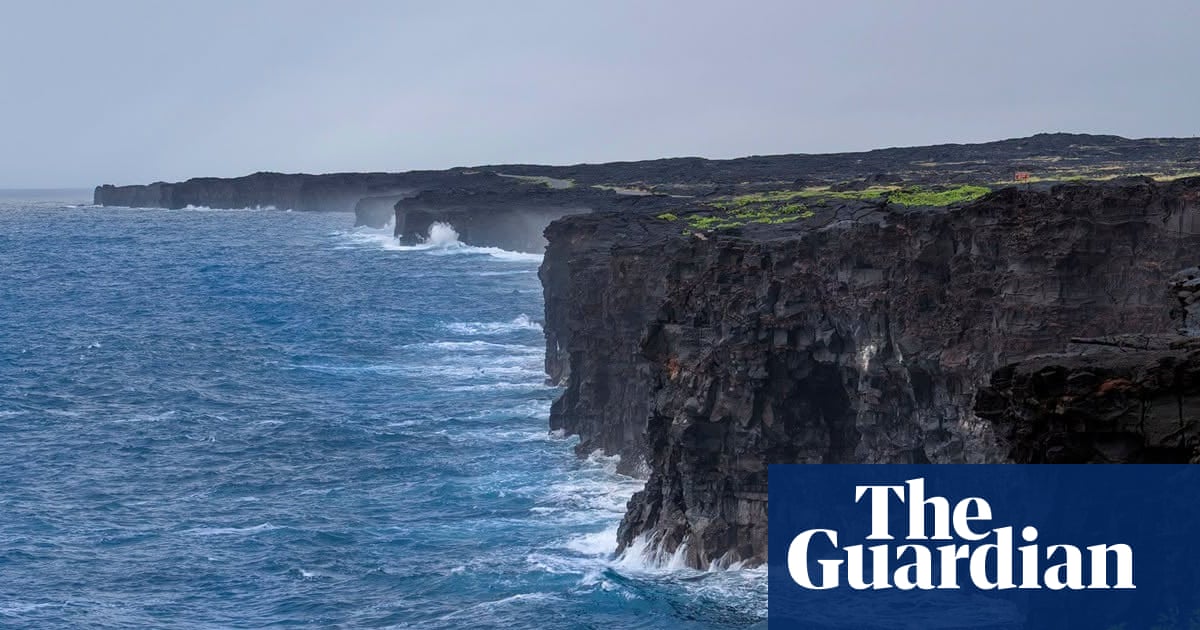
The National Park Service said the arch was standing when Hawaiʻi Volcanoes National Park closed during Tropical Storm Nolo on September 23, but had collapsed by September 27. The agency has warned visitors to stay away from the surrounding cliffs, where instability had already forced the closure of the original viewing area. A conservative account likewise frames the event primarily as a public-safety emergency, highlighting the park service’s warnings over unstable cliffs.
The longer explanation is more layered. The arch was created by waves eroding weaker rock in ancient lava flows, a process the U.S. Geological Survey once described bluntly: “It will not be here for ever.” Earthquakes and ground failure during the 2018 Kīlauea eruption damaged nearby cliffs, while new cracks appeared in 2020. A powerful swell during Tropical Storm Darby later tore away part of the arch’s base.
That history supports the park service’s interpretation of a geological process that had been unfolding for centuries. But the recent sequence of storms gives the collapse a sharper climate context. Hawaii has endured an unusually active storm season, with Nolo following hurricanes Lala and Lowell. Scientists say the pattern is consistent with a strong El Niño, while warmer global temperatures can further intensify storms.
The two perspectives are not mutually exclusive: the arch’s disappearance was natural and long anticipated, yet the conditions accelerating coastal damage are becoming harder to separate from a changing climate. For visitors, however, the distinction is immediate—the landmark is gone, and the cliffs remain dangerous.
Write a comment