The U.S. Pulled Its B-1s From Britain, Exposing a Dangerous Rift Over the Iran Threat
The U.S. Pulled Its B-1s From Britain, Exposing a Dangerous Rift Over the Iran Threat
The abrupt removal of every U.S. bomber from RAF Fairford has turned a local security investigation into a wider test of allied confidence, raising a central question: was the move a prudent precaution or evidence that the threat around the base had sharply escalated?
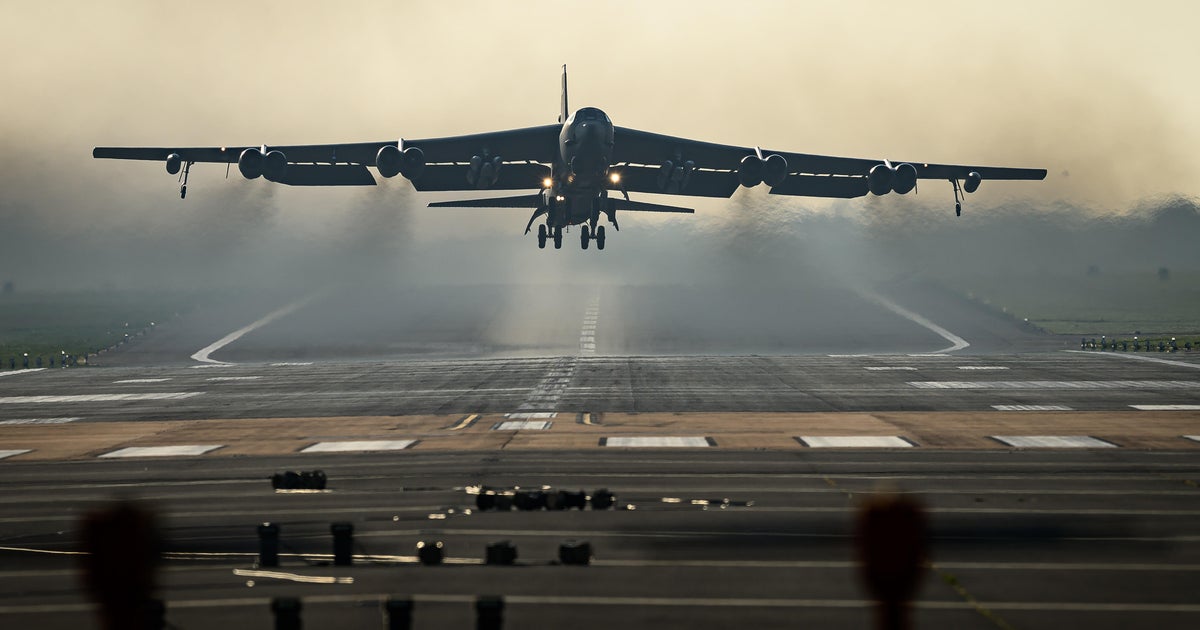
The Pentagon confirmed that all bombers deployed to the Gloucestershire base had returned to the United States after six people were arrested and released on bail in connection with suspected terrorist activity. Officials stressed that the relocation did not diminish American strike capacity, saying the bomber force remains ready to operate from U.S. territory. The Pentagon described the aircraft’s missions as routine support for “global force readiness and operational requirements.”
More measured reporting focused on the uncertainty surrounding the intelligence. At least 10 of the 12 B-1s reportedly departed on Sunday, including aircraft that had arrived only days earlier. The apparent haste suggested a heightened sense of danger, but officials declined to identify the new information that prompted the withdrawal. Another account said the aircraft were removed after “fresh or renewed security concerns,” while emphasizing that the precise threat remained undisclosed.
Conservative coverage presented the episode more starkly. It described an “Iran-backed terror plot,” highlighted gasoline found in three vehicles, and framed the withdrawal as a warning about the vulnerability of U.S. installations abroad. Fox News similarly portrayed Fairford as Washington’s key European bomber outpost and quoted Secretary of State Marco Rubio’s assessment that the suspected operation “clearly involves the hands of a foreign actor.”
The British government has pointed to “strong indications” of Iranian involvement, while Tehran has categorically denied any connection. The competing narratives converge on the seriousness of the arrests and the strategic importance of Fairford, but diverge over what the withdrawal proves: a temporary force-protection measure, or a sign that Iran’s shadow conflict has reached a dangerous new stage. The Pentagon’s formal explanation emphasized continuity; the speed of the move suggested disruption.
- U.S. military removes bombers from U.K. air base following security incident — The Pentagon said the bomber force remains ready to support global operations.
- US bombers pulled from RAF Fairford base after suspected terror plot — At least 10 B-1s reportedly left the base rapidly as officials withheld details of the intelligence.
- US bombers pulled from RAF Fairford base after suspected terror plot — Reporting described fresh or renewed security concerns behind the withdrawal.
- US removes bombers from UK air base as security concerns reignite — The account linked the withdrawal to concerns over an Iranian-backed plot.
- US pulls all bombers from key UK base after suspected Iran-linked terror plot — Marco Rubio said the suspected plot “clearly involves the hands of a foreign actor.”
- B-1 Bombers Removed From UK Base After Suspected Iranian Terrorist Plot — The Pentagon confirmed the bombers had redeployed to their U.S. home stations.
Write a comment