Curtis Flowers’ Death Reopens the Wounds of a Conviction the Supreme Court Rejected
Curtis Flowers’ Death Reopens the Wounds of a Conviction the Supreme Court Rejected
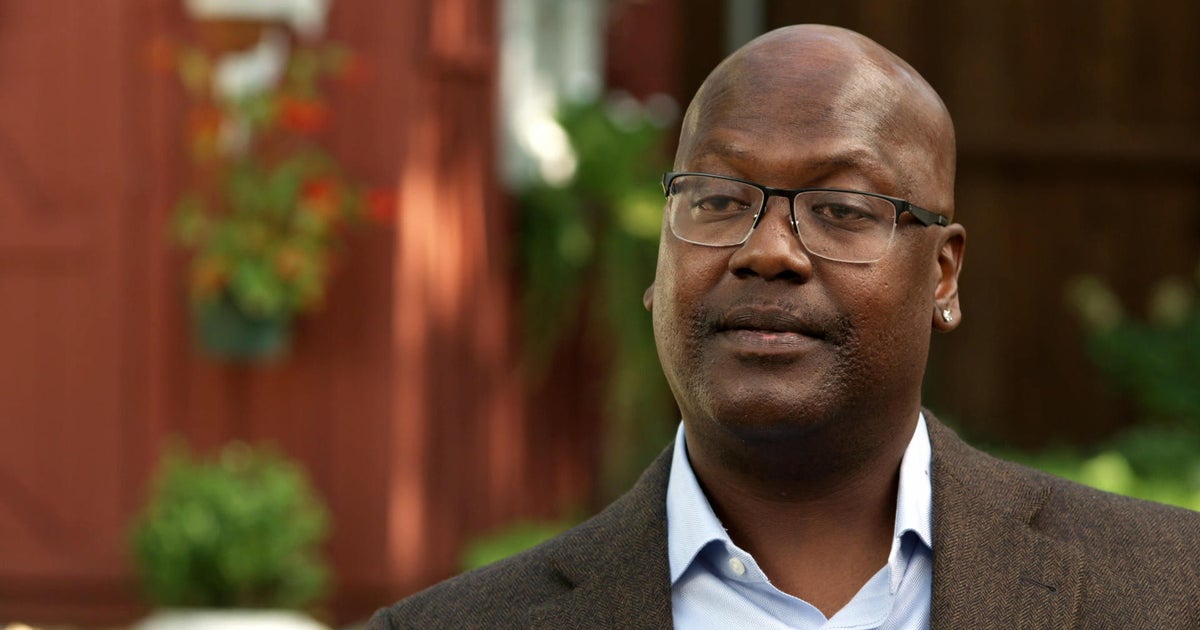
Curtis Flowers spent more than two decades behind bars after Mississippi prosecutors repeatedly pursued the same murder case against him. His death at 56 brings renewed attention to a legal saga that exposed deep disagreements over what his conviction represented—and how the justice system treated him.
A conservative account foregrounds the punishment and the Supreme Court’s intervention, describing Flowers as a Black man “whose death sentence was tossed by Supreme Court.” That framing presents the case primarily as a capital-conviction reversal, without detailing the chain of proceedings that led to it.
The liberal account places the emphasis elsewhere: Flowers was tried six times for four 1996 killings by the same prosecutor, District Attorney Doug Evans, despite the murder weapon never being found and the absence of DNA or fingerprint evidence linking Flowers to the crime. His first conviction came from an all-White jury that deliberated for about an hour; across all six trials, 61 of 72 jurors were White, and every one voted to convict.
The two perspectives converge on the Supreme Court’s 2019 ruling, which overturned Flowers’ conviction. But the fuller account casts that decision not as a narrow death-penalty correction, but as a rebuke of the prosecution’s methods. Justice Brett Kavanaugh described “a relentless, determined effort to rid the jury of Black individuals.”
Flowers was released on bail six months later, after 23 years in prison. Prosecutors dropped the charges in 2020. His attorney Rob McDuff called the case “unprecedented in the history of the American legal system,” a characterization reinforced by recanting witnesses, investigative reporting and evidence that Evans had disproportionately excluded Black jurors. The result is a story less about a conviction overturned than about how repeatedly the system allowed one to be rebuilt.
Write a comment