Candidate’s Assault Report Puts Survivor Advocacy Against Political Caution
Candidate’s Assault Report Puts Survivor Advocacy Against Political Caution
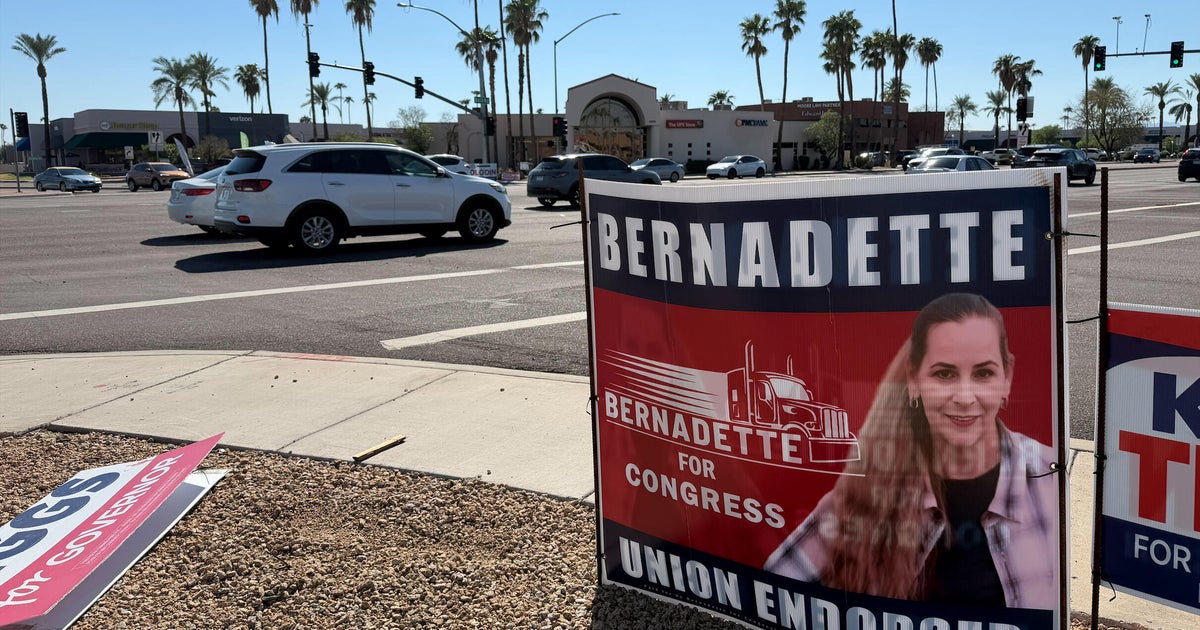
Bernadette Greene-Placentia’s account of a nighttime assault while repairing campaign signs has quickly become both a criminal investigation and a test of how politically charged allegations are presented.
The Democratic congressional candidate said she was attacked in August in Sun City, Arizona, after walking back to her vehicle. According to the police account, she was struck in the head, held down and sexually assaulted by two men. One alleged attacker reportedly used an anti-Democratic slur during the incident. The Maricopa County Sheriff’s Office said the investigation remains ongoing, leaving the allegations unproven in court.
Greene-Placentia said she told her husband and campaign the following day but waited roughly two weeks to report the assault. Her campaign framed the decision to speak publicly as an act of solidarity with other survivors, saying she came forward “because she knows many survivors struggle in silence, and she hopes that by speaking about her experience, others will know they are not alone.”
Her Republican opponent, Rep. Abe Hamadeh, did not endorse a political interpretation of the attack. Instead, he called for authorities to “investigate these serious allegations thoroughly,” including reviewing available camera footage and prosecuting any crime “to the fullest extent of the law.”
The conservative source’s headline likewise described the incident cautiously as a candidate saying she was assaulted, rather than presenting the allegation as established fact. That restraint contrasts with the campaign’s emphasis on survivor visibility. Yet the accounts are not fundamentally opposed: both center the candidate’s report, while the police investigation—and not partisan rhetoric—will determine what can ultimately be established.
Write a comment