Isaias Exposes the Gap Between Hurricane Warnings and Emergency Readiness
Isaias Exposes the Gap Between Hurricane Warnings and Emergency Readiness
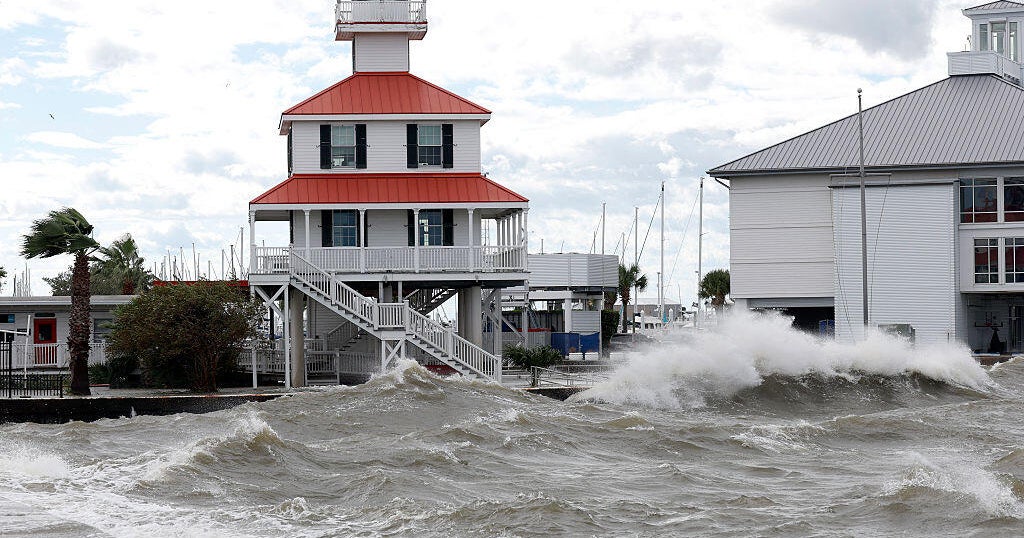
Hurricane Isaias made landfall on Florida’s Gulf Coast as a powerful Category 2 storm, turning a late-season weather threat into a test of evacuation planning, public preparedness and federal response capacity.
The immediate facts were severe. The National Hurricane Center reported sustained winds of 105 mph, storm-surge risks of up to 7 feet and hurricane-force winds reaching as far as 100 miles inland. Nearly 500,000 customers in Alabama and Florida had lost power by Friday evening, while governors in Florida, Alabama and Mississippi declared states of emergency. Florida deployed roughly 5,000 National Guard personnel, and coastal communities ordered evacuations.
The liberal-leaning coverage emphasized the breadth of the danger and the practical demands of response. Forecasts called for 4 to 8 inches of rain, locally higher totals, flash flooding and possible tornadoes across the Southeast. The storm also forced offshore oil and gas producers to shut down a significant share of Gulf output, adding an economic dimension to the emergency.
Conservative coverage framed the storm primarily through its projected intensity. One headline described Isaias as strengthening into “a dangerous Category 3 hurricane,” while another said it was expected to become “a major hurricane” before reaching the coast. That emphasis contrasted with the eventual Category 2 landfall, though it reflected the uncertainty inherent in rapidly changing hurricane forecasts.
The deeper political question concerns whether government systems can match the warnings. The liberal account pointed to staffing cuts at FEMA, noting that 17% of its workforce left in fiscal year 2025. A government watchdog official summarized the concern: “It’s not whether Fema is going to respond. They’re going to respond. It’s more about the depth.” FEMA said teams and supplies were already being deployed. Isaias therefore became more than a storm story: it was an early measure of whether federal and state readiness could withstand a major regional crisis.
Write a comment