Navi Pillay’s Nobel win turns a peace prize into a fresh battle over Israel, Trump and international law
Navi Pillay’s Nobel win turns a peace prize into a fresh battle over Israel, Trump and international law
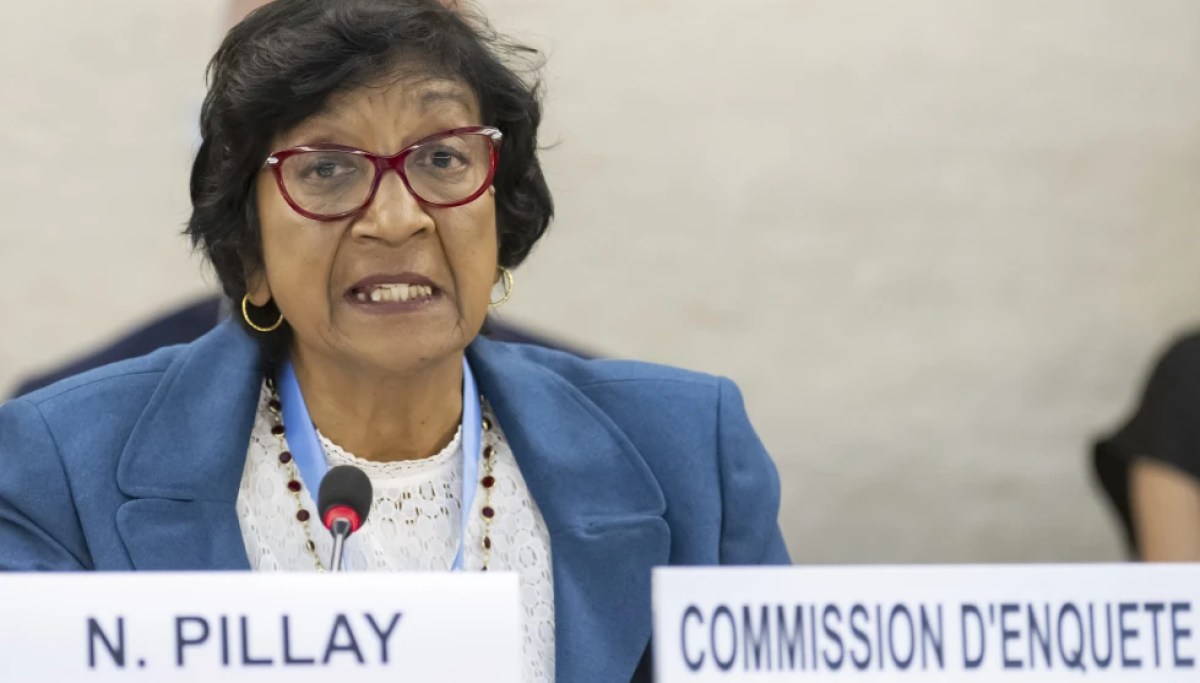
The Nobel Peace Prize awarded to Navi Pillay has quickly become less a celebration of one jurist’s career than a proxy fight over who gets to define peace, justice and accountability.
Pillay, a South African jurist and former U.N. human rights chief, was honored for advancing international law and prosecuting war crimes. The Nobel committee said her “exceptional courage and integrity” had helped build a stronger global legal order, while stressing that national and international rule of law is essential to resolving conflicts without violence.
Supporters present the award as recognition of a career spanning South Africa’s apartheid-era courts, the Rwanda tribunal, the International Criminal Court and the U.N. human rights office. The committee said Pillay had been “at the forefront of the development of international law for decades,” citing her role in major cases and her support for Nelson Mandela and other Robben Island prisoners.
The criticism is sharply different. An account of Israel’s response described the country’s “scorn” for Pillay as evidence of its combative relationship with U.N. bodies, particularly over Gaza. A separate U.N. whistleblower accused her of ignoring, and even being “complicit in the Uyghur genocide,” while alleging that her human-rights focus has been selective. Those attacks place the prize within a broader dispute over whether international institutions apply legal standards consistently—or disproportionately target Israel.
President Donald Trump framed the decision more personally and politically. After campaigning for the prize, he said the United States, represented by him, “should have received” it and called the decision an “indelible stain” on Norway. He also dismissed Pillay as a liberal U.N. figure and repeated disputed claims about wars he had ended.
The divide is therefore not over Pillay’s résumé, which both sides implicitly acknowledge, but over what it means. To supporters, the prize elevates legal accountability above power. To critics, it confirms a system they view as politicized and uneven—especially in its treatment of Israel and the United States.
Write a comment