Mike Ditka’s death unites Chicago while exposing the politics of his legacy
Mike Ditka’s death unites Chicago while exposing the politics of his legacy
Mike Ditka’s death at 86 has produced a rare consensus around his importance—but not a single interpretation of what made him matter. To Chicago, he was simultaneously a championship coach, cultural emblem, and polarizing personality.
The conservative framing centers on Ditka’s toughness, winning record, and political loyalties. One tribute declared that “Chicago won’t be the same,” while President Donald Trump recalled Ditka as “a great guy” and “a winner,” adding that he was “a tough cookie.” That account presents Ditka as an unapologetically hard-edged figure whose support for Trump was part of a broader public identity built on forcefulness and conviction.
The liberal-leaning accounts place greater emphasis on the breadth of Ditka’s legacy. They portray him not only as the coach of the dominant 1985 Bears, but also as a player who helped revolutionize the tight end position, a Hall of Famer, television personality, restaurateur, and advocate for improved benefits for former players. His family remembered him as “the heart of our family,” while the wider football world celebrated his intensity and leadership.
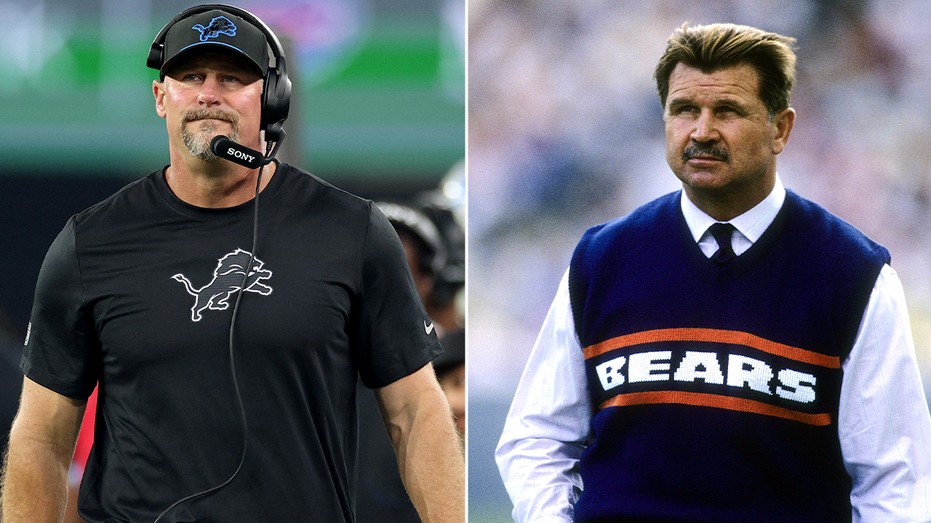
Both perspectives converge on Ditka’s extraordinary cultural reach. His sweater vest, mustache, fiery sideline demeanor, and “Da Coach” persona became as recognizable as his championships. Yet the contrast is telling: one narrative elevates his toughness and political alignment; the other stresses institutional achievements, personal complexity, and community impact.
That tension may define Ditka’s afterlife in public memory. He was never merely a coach, but neither was he easily separated from the combative style that made him famous. Chicago’s enduring tribute is therefore less about uncomplicated reverence than about the unusually large space he occupied in the city’s imagination.
Write a comment