Avianca Turbulence Diversion Exposes the Gap Between Immediate Safety and Longer-Term Risk
Avianca Turbulence Diversion Exposes the Gap Between Immediate Safety and Longer-Term Risk
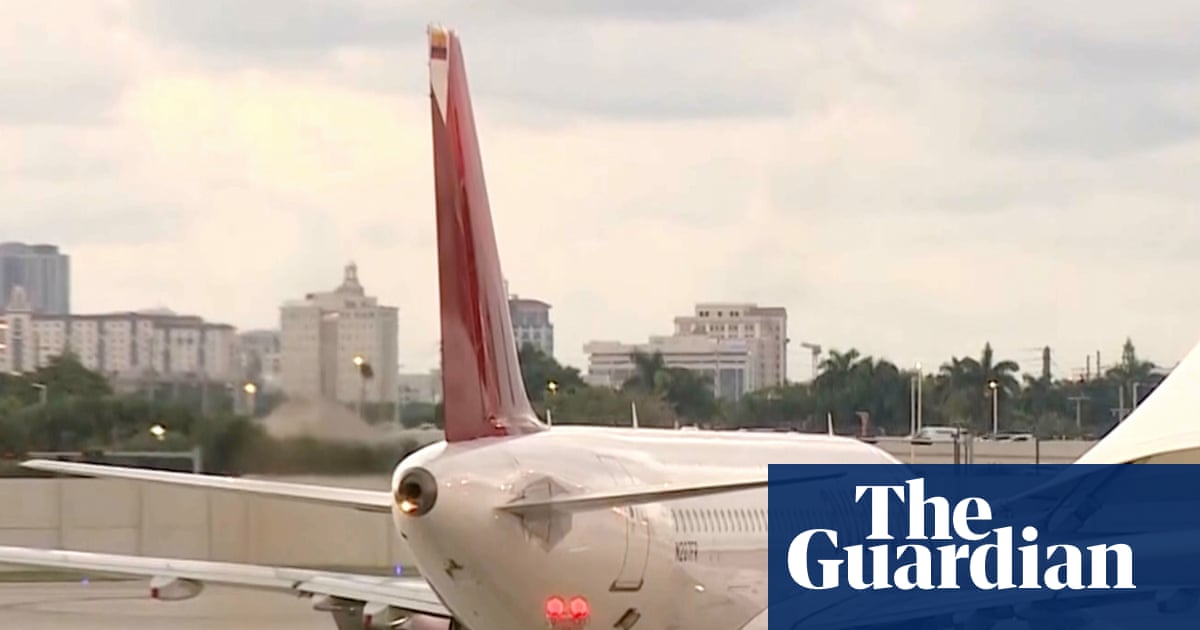
An Avianca flight bound from Medellín to New York became an emergency case after severe turbulence injured at least eight people and forced the Airbus A320 to divert to Miami. The incident puts an immediate safety failure—or failure of preparedness—alongside a broader question about whether dangerous turbulence is becoming more frequent.
The two supplied accounts agree on the basic event: the Avianca flight made an emergency landing in Miami after at least eight passengers were hurt. The conservative account offers that concise framing, emphasizing the injury count and the forced landing. The more detailed account adds that one person was taken to a trauma center with severe injuries, while seven others were transported to local hospitals. The FAA said the aircraft was traveling to John F. Kennedy International Airport, and Avianca said uninjured passengers would be rebooked.
The airline’s interpretation centers on operational responsibility, declaring that “the safety of our customers and employees is, and will remain, the foundation of our operations.” That assurance, however, does not resolve why the injuries occurred or whether they could have been prevented. Turbulence can strike with little warning, and the FAA recommends that passengers remain buckled whenever possible.
The broader analysis is more consequential. Serious injuries from turbulence remain rare, but scientists cited in the report say climate-driven changes to the jet stream may be making severe encounters more common. Reports of turbulence incidents received by the International Air Transport Association rose by more than 25% last year.
The contrast is therefore between a contained airline emergency and a potentially expanding aviation risk. For passengers, the practical lesson is immediate: keeping seatbelts fastened may be the simplest defense against a hazard that neither airlines nor forecasts can always anticipate.
Write a comment