India’s Voter-List Revision Turns Youth Protests Into a Test of Democratic Accountability
India’s Voter-List Revision Turns Youth Protests Into a Test of Democratic Accountability
India’s voter-list revision has transformed a dispute over election administration into a broader confrontation over democratic accountability, with young protesters challenging the election authorities and the government defending the process.
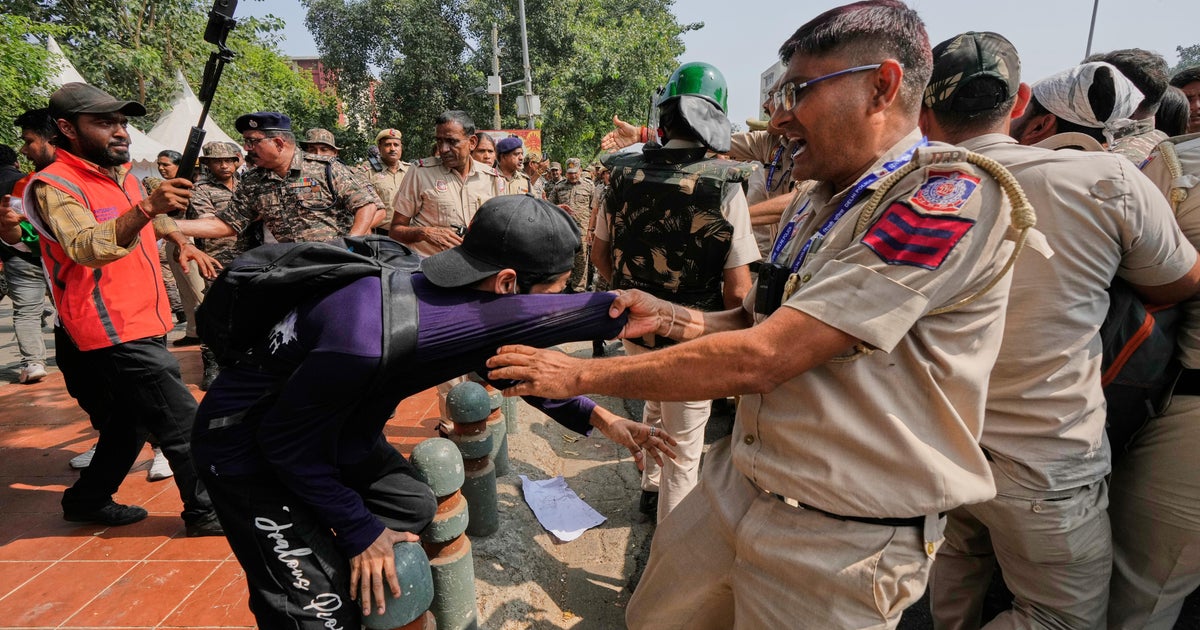
The immediate flashpoint was the detention of more than 2,000 people in Delhi as the youth-led “Cockroach” movement sought to rally against Chief Election Commissioner Gyanesh Kumar. Authorities also detained movement founder Abhijeet Dipke and two senior leaders, though a court later ordered their release. Police and paramilitary forces remained deployed across the capital as protests entered a second day.
The liberal account presents the crackdown as evidence of excessive state force. Opposition parties criticised what they called the “high-handed use of force,” while the UN human rights office urged authorities to respect peaceful assembly and pursue “meaningful dialogue.” That framing places the dispute within a wider concern over civil liberties, especially as critics argue that voter deletions disproportionately affect Muslims and other minorities.
The conservative perspective, reflected in its description of the episode as India “cracks down on youth protests as anger grows against Modi and election chief,” also acknowledges the scale of public anger but frames the story more around unrest and political pressure than institutional failure.
At the centre of the disagreement is the removal of roughly 130 million names from electoral rolls during a verification exercise. The Bharatiya Janata party and the Election Commission say the deletions largely reflect relocations and untraceable voters, and deny manipulation. Critics counter that the process may weaken opposition support and demand Kumar’s resignation. The government has rejected the UN’s intervention as “selective” and an “unwarranted interference,” while the movement says its campaign will continue until the electoral system is reformed.
Write a comment