Riyadh Airport Strike Deepens the Gulf War’s Civilian Toll
Riyadh Airport Strike Deepens the Gulf War’s Civilian Toll
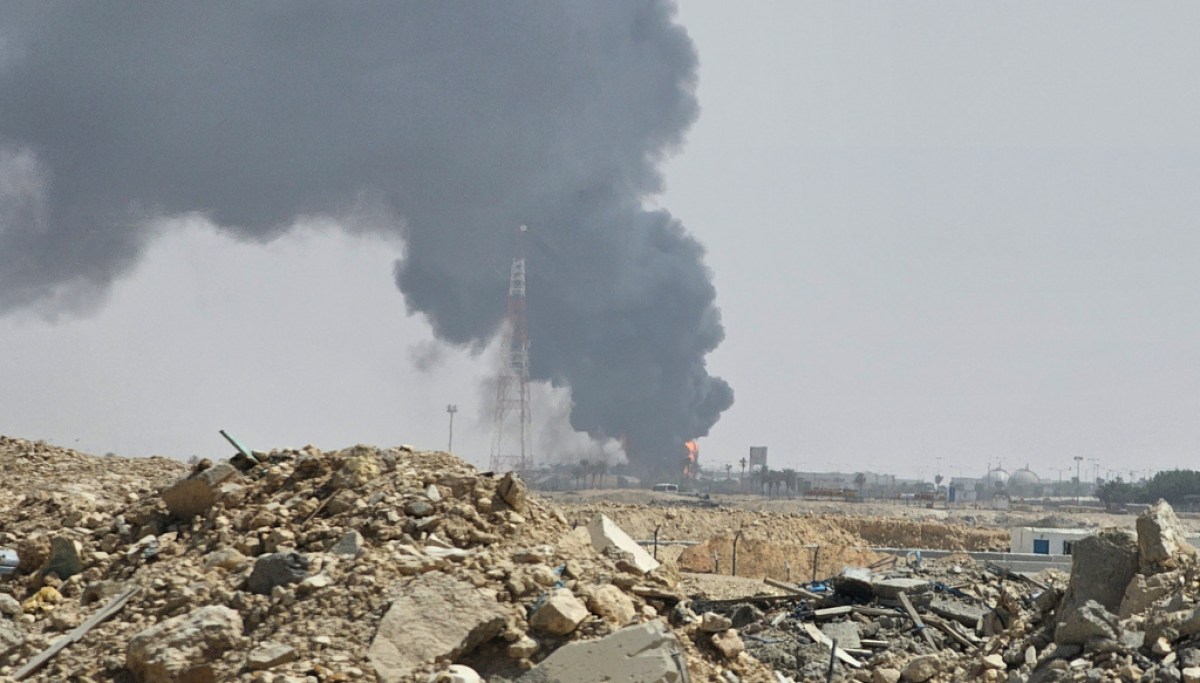
The missile strike on Riyadh’s King Khalid International Airport has transformed an already widening regional conflict into a direct civilian catastrophe, killing 12 people and injuring more than 300. The attack also sharpened the divide between those framing it as an act of terrorism and those reporting it primarily as a deadly escalation whose wider consequences remain uncertain.
Saudi aviation authorities said the airport was shut down while officials assessed damage, with victims treated at several hospitals. One American citizen was among the dead, according to reporting that also identified Saudi, Bangladeshi, Palestinian, Egyptian, Jordanian, Syrian and Sudanese victims. A separate account likewise put the toll at at least 12 dead and more than 300 injured, citing Saudi officials.
The Saudi-led coalition and U.S. officials assigned responsibility to Iran-backed Houthi forces in Yemen. The coalition called the strike a “full-fledged war crime according to the Customary International Humanitarian Law,” moving beyond a description of the attack toward a legal and moral justification for retaliation. Secretary of State Marco Rubio used similarly forceful language, saying the Houthis showed “a blatant disregard for innocent civilian life” and “must stop now.”
That condemnation was reinforced in Rubio’s own social-media statement, which described the victims as “innocent lives” and singled out the American fatality. President Donald Trump, however, left the policy response open, saying the United States might join Saudi strikes and that officials would “make a decision.” The contrast is significant: Washington’s rhetoric was unequivocal about the attack, but its military commitment remained unresolved. The strike therefore carries two dangers at once—an immediate humanitarian toll and the possibility that retaliation could widen the Iran-linked conflict across the Gulf.
Write a comment