Oklahoma Turns Texas’ Mistakes Into a Red River Shock
Oklahoma Turns Texas’ Mistakes Into a Red River Shock
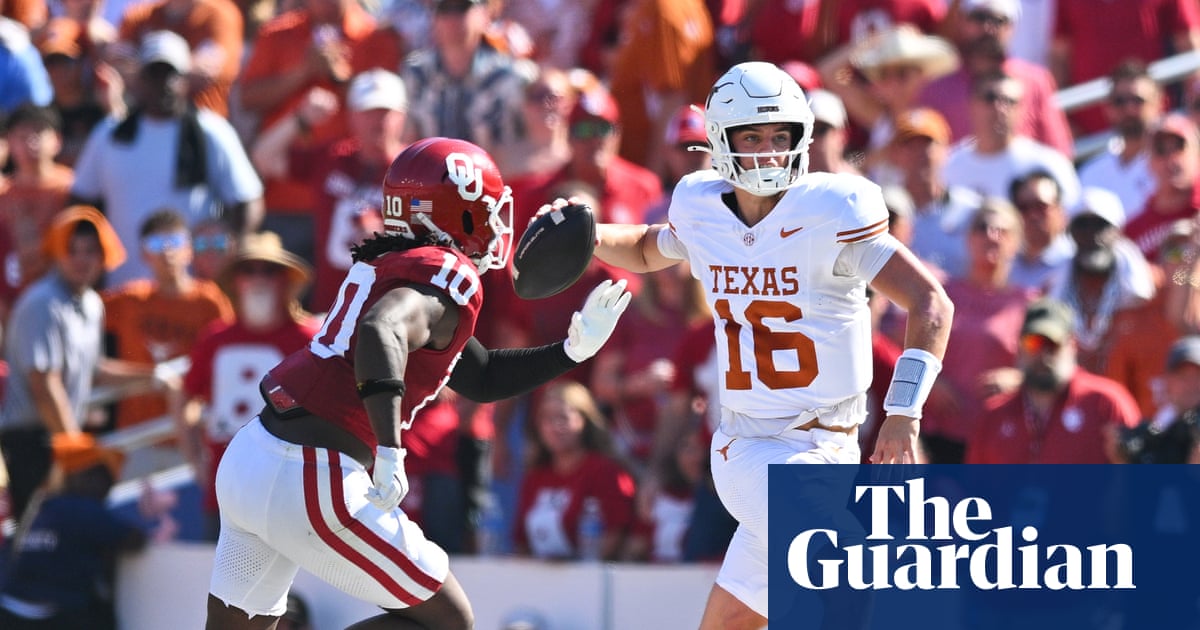
Oklahoma turned a disjointed offensive performance into one of the season’s biggest upsets, defeating No. 1 Texas 27–24 on Tate Sandell’s 47-yard field goal as time expired. The result exposed the narrow margin between Texas’ apparent control and a collapse under pressure.
From the Oklahoma perspective, the victory was a triumph of opportunism rather than offensive dominance. The Sooners managed only 238 total yards and repeatedly stalled, but a blocked punt recovered for a touchdown and Peyton Bowen’s 42-yard interception return supplied the decisive momentum. As one account put it, Oklahoma “overcame their continued offensive ineptness” to win the rivalry game.
Texas’ interpretation is harsher: the Longhorns had multiple chances to close out the game but failed at the critical moments. Arch Manning threw three touchdown passes and helped erase Oklahoma’s 24–17 lead, yet his two fourth-quarter interceptions proved costly. Texas also missed a late field-goal attempt wide right, leaving the door open for Oklahoma’s final drive. The conservative account characterized the defeat as the top-ranked team faltering “on its biggest stage of the college season.”
Both perspectives agree that Texas controlled stretches of the game and that Oklahoma won through late-game execution. They differ mainly in emphasis: Oklahoma’s account highlights defensive and special-teams resilience, while the Texas-focused framing centers on Manning’s mistakes and the Longhorns’ squandered opportunities. Oklahoma’s final two completions moved the ball into range, and Sandell supplied the finish—an upset built less on sustained superiority than on surviving long enough to capitalize.
Write a comment