Trump’s Ukraine Ultimatum Turns a Fuel Deal Into a Fight Over Who Gets to Make Peace
Trump’s Ukraine Ultimatum Turns a Fuel Deal Into a Fight Over Who Gets to Make Peace
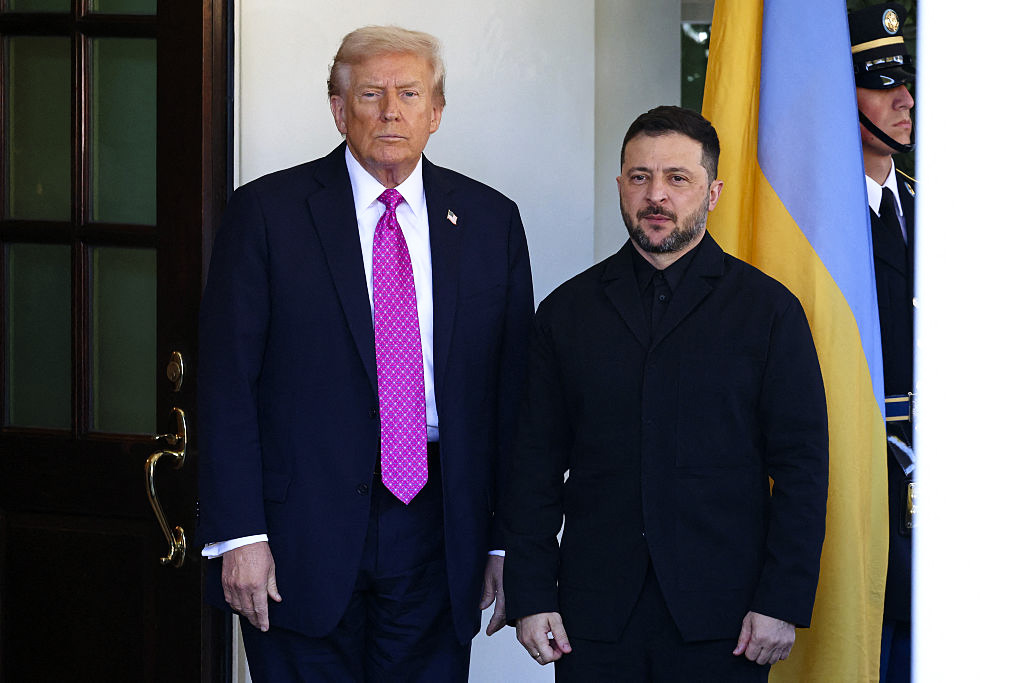
Donald Trump has transformed a dispute over Russian fuel exports into a direct challenge to Ukraine’s political leadership, blaming Volodymyr Zelenskyy for prolonging the war and for threatening American fuel prices.
Trump says Zelenskyy has repeatedly rejected opportunities to end the conflict and should be replaced by “a new leader who can make a deal.” His argument links two issues that Kyiv and its allies treat separately: negotiations over the war and Ukraine’s attacks on Russian oil infrastructure. Trump has warned Zelenskyy to stop striking refineries, saying the attacks create problems for American farmers and ranchers by worsening diesel shortages.
The Ukrainian response is both constitutional and strategic. Foreign Minister Andriy Sybiga said Zelenskyy “has the support of the Ukrainian people, and they have the right to decide,” adding that foreign criticism only confirms that he is doing his job. Zelenskyy, meanwhile, condemned Trump’s diesel arrangement with Moscow as an economic lifeline for Russia, arguing that additional energy revenue would help fund weapons production and prolong the war.
European governments largely share Kyiv’s concern. Germany said support for Ukraine remained firm and backed further sanctions, while Sweden warned that energy revenues are central to Russia’s war effort. The timing has sharpened that criticism: Russian strikes reportedly killed at least 20 people in Zaporizhzhia, including three children, as Washington moved to ease restrictions on Russian diesel exports.
Moscow, by contrast, welcomed Trump’s intervention. Kremlin envoy Kirill Dmitriev called the call for new Ukrainian leadership “historic,” portraying it as evidence that Washington now favors leaders focused on peace. The central divide is therefore not whether a settlement is desirable, but who bears responsibility for the war—and whether pressure on Kyiv or Moscow is the route to ending it.
Write a comment