Isaias Was ‘Under Control’—Until Hundreds of Thousands Lost Power
Isaias Was ‘Under Control’—Until Hundreds of Thousands Lost Power
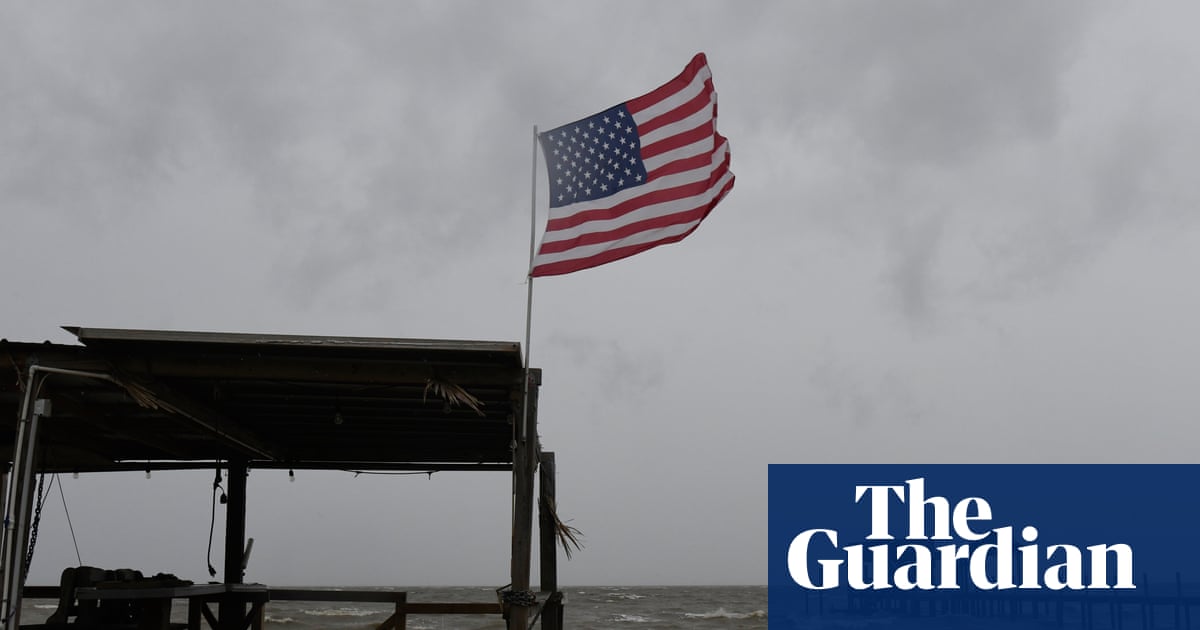
Hurricane Isaias arrived on Florida’s Gulf Coast as a powerful Category 2 storm, then weakened inland—but the downgrade did not erase the deaths, flooding threats and mass power outages left across the Southeast.
The initial response emphasized preparation and the storm’s potential reach. The National Hurricane Center warned of a “life-threatening” storm surge, hurricane-force winds well inland and dangerous tornado-like conditions. Governors in Florida, Alabama and Mississippi declared emergencies, while Florida deployed thousands of National Guard personnel and utility crews prepared for restoration.
The aftermath produced a more complicated picture. One report put the death toll at four and the number without electricity at roughly 670,000 across four states. Conservative coverage, by contrast, reported nearly 900,000 people without power and focused on the fact that the storm weakened rapidly after landfall. Another conservative report listed two deaths, underscoring how early and unevenly the toll was being counted.
Officials therefore offered two interpretations that were not entirely contradictory. Gov. Ron DeSantis said the storm was fundamentally different from the devastating 2018 Hurricane Michael because wind shear disrupted its structure. Yet he also warned that restoration “may not be instantaneous” and urged residents to remain prepared. President Donald Trump described the situation as “under control,” while local authorities reported blocked roads, damaged infrastructure and continuing flood and tornado hazards.
The central contrast is not between catastrophe and safety, but between a feared worst-case scenario and a still-dangerous emergency. Isaias avoided Michael-level destruction, yet its human and economic costs—and the conflicting early casualty and outage figures—show why a weakened hurricane can remain a major crisis long after landfall.
Write a comment