Mexico Convicts Three Men in a Case That Exposed the Peril Behind a Surfer’s Paradise
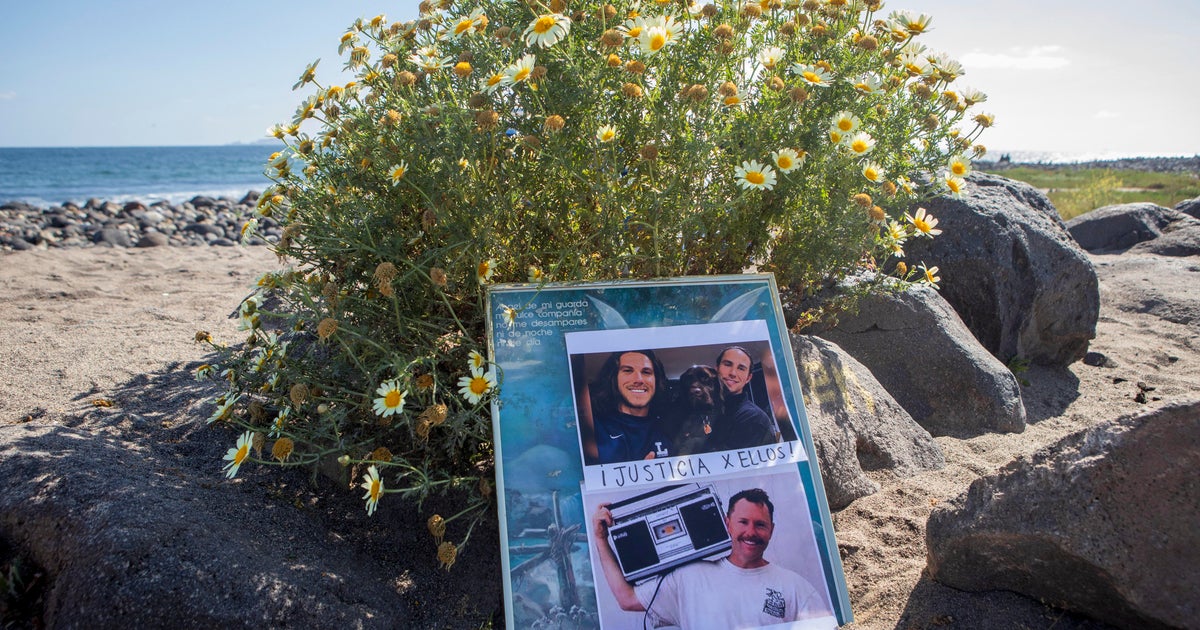
Mexico Convicts Three Men in a Case That Exposed the Peril Behind a Surfer’s Paradise
The conviction of three men for killing two Australian brothers and their American friend closes one chapter of a case that drew international outrage—but leaves open questions about punishment and safety in Mexico’s tourist regions.
A judge in Ensenada found Jesús Gerardo García, known as “El Kekas,” Irineo Francisco and Ángel Jesús guilty of murdering Australian surfers Callum and Jake Robinson and American Carter Rhoad during a 2024 trip to Baja California. The defendants were also convicted of armed robbery and carjacking, according to the conservative account of the ruling.
The liberal account places the verdict in a broader narrative of grief and alleged brutality. Prosecutors said the men acted with premeditation after attacking the campers at a remote beachside site. The victims’ bodies were later found in a clifftop shaft with gunshot wounds to their heads. Debra Robinson, the brothers’ mother, told the court: “They took our sons from our lives forever.” She added that the greatest pain was knowing “in their final hours, they were treated with such cruelty.”
Both perspectives agree on the central facts: three defendants were convicted after a trial that attracted attention in Mexico, Australia and the United States. They differ mainly in emphasis. The conservative report focuses tightly on the judicial finding and the defendants’ custody, while the liberal report foregrounds the families’ trauma and the wider security environment in Baja California, a state troubled by organized crime and drug trafficking.
The verdict does not yet determine the men’s final punishment. Prosecutors requested 210 years for each defendant, although Baja California’s maximum sentence is 60 years. Rhoad’s fiancée, Natalie Weirtz, said the accused “must be punished so that no other family suffers the same pain,” tying the case’s demand for justice to fears that other travelers could face similar violence.
Write a comment