Trump’s Energy Ceasefire Collides With Continued Strikes and Conflicting Claims
Trump’s Energy Ceasefire Collides With Continued Strikes and Conflicting Claims
President Donald Trump’s announcement of an immediate Russia-Ukraine “energy ceasefire” has exposed a familiar problem in the war: political declarations are moving faster than military reality.
Trump said both sides had agreed to stop attacking one another’s energy facilities and warned them, “Do not break it!” The statement presented the arrangement as settled, but offered no public details on its scope, enforcement or negotiating channel.
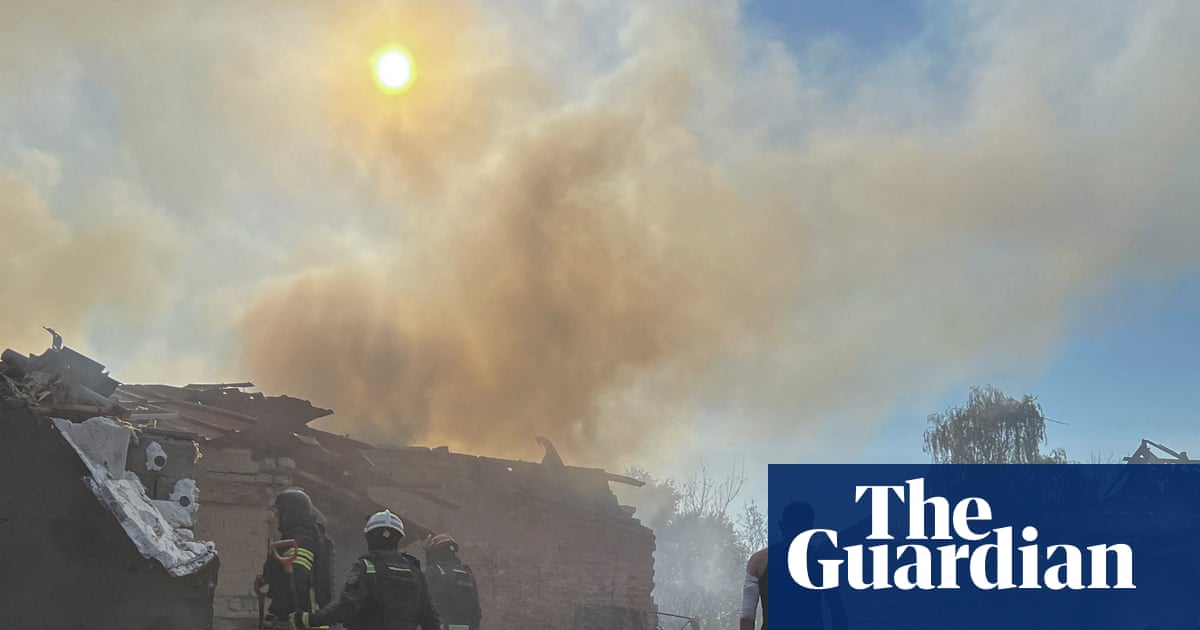
Kyiv’s response was supportive in principle but sharply qualified. President Volodymyr Zelenskyy said Ukraine backed a halt to attacks, while adding, “We are awaiting details from the American side.” Ukrainian officials subsequently reported strikes on power facilities in Kyiv and Kharkiv after Trump’s announcement. Zelenskyy said Russia had continued using drones and missiles against Ukrainian energy infrastructure, arguing that the ceasefire was “news to me” and that Moscow had not yet demonstrated its commitment.
The competing interpretations reflect different priorities. Trump is presenting the truce as an immediate diplomatic achievement, while also tying the conflict to fuel prices and his administration’s proposed Russian diesel purchases. Zelenskyy, by contrast, treats an energy pause as reciprocal: Ukraine would stop striking Russian refineries only if Russia halted attacks on the Ukrainian grid. Conservative reporting has emphasized Kyiv’s stated willingness to continue long-range strikes if Moscow rejects the arrangement, framing Ukraine’s campaign as retaliation rather than an independent escalation.
European officials broadly welcomed the concept but were more cautious about Trump’s claim. EU foreign-policy chief Kaja Kallas said, “We welcome the energy ceasefire when it holds,” while noting that there was no evidence Russia would stick to it. Russia had not publicly confirmed the agreement. The result is a truce in name, but not yet in operations: Washington claims a breakthrough, Kyiv demands verification, and Europe is waiting for Moscow to turn rhetoric into restraint.
Write a comment