Houthi Airport Strikes Turn Saudi Arabia’s Civilian Skies Into a New Front in the War
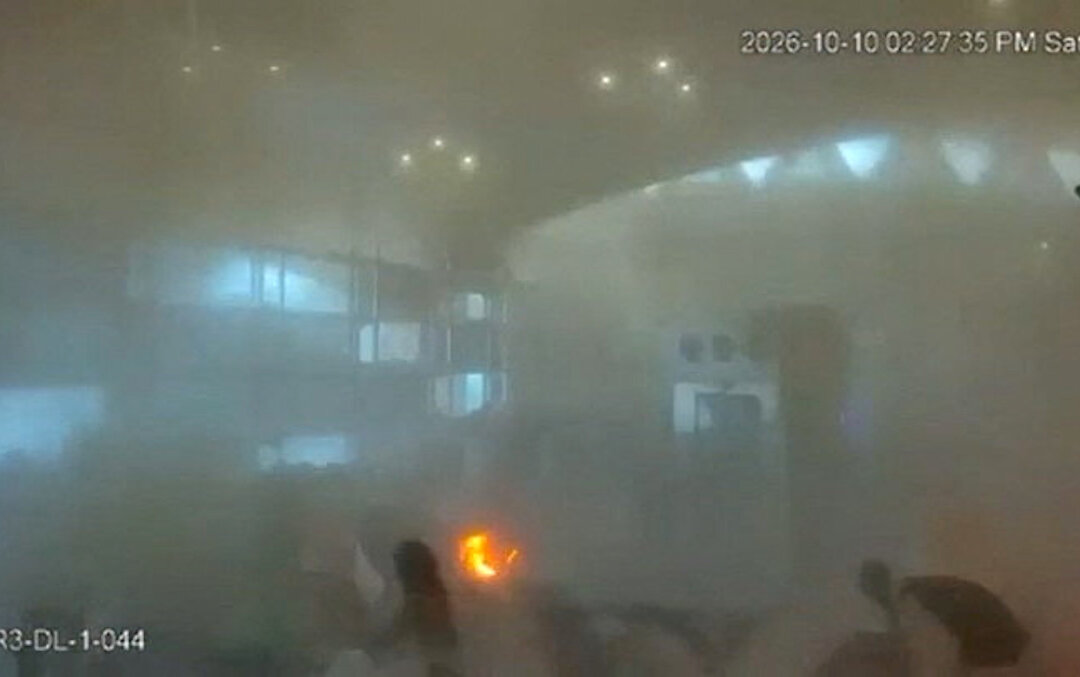
Houthi Airport Strikes Turn Saudi Arabia’s Civilian Skies Into a New Front in the War
The Houthi attacks on Saudi Arabia’s airports have transformed a regional conflict into a direct threat to civilian aviation, exposing the widening gap between military retaliation and the risks to ordinary travelers.
The strikes have produced a rapidly escalating toll. Reports vary, but attacks on Riyadh’s King Khalid International Airport killed at least 12 to 14 people and wounded more than 300; a subsequent strike killed another person and injured 11. The civil aviation authority also reported an attack on King Fahd International Airport in Dammam, while more than 500 flights were canceled and nearly 150 delayed in one day.
The conservative interpretation frames the attacks as part of an Iran-backed campaign extending beyond Yemen. Analyst Behnam Ben Taleblu described them as “cross-domain escalation,” arguing that aviation targets reflect Iran’s earlier threats against neighboring airports and connect to Washington’s sanctions on Iranian aviation. President Donald Trump left open U.S. participation in Saudi retaliation, saying, “We may. We’re gonna look at it. We move very quickly.”
The opposing account emphasizes the cycle of violence. Houthi spokesman Yahya Saree said the strikes answered “brutal Saudi aggression against our country and our people,” while Saudi Arabia’s recent offensive was cited as the immediate backdrop. That explanation does not lessen the civilian consequences: the United States, Britain and Canada urged citizens to avoid Riyadh airport, and the FAA warned of risks from military activity and navigation-system interference.
Commercial aviation has become an early casualty. Delta postponed its first nonstop Atlanta-Riyadh service from October to March, saying, “Safety is going to make the call.” The dispute over who started the escalation therefore matters less to airlines and passengers than the practical reality: airports, airspace and energy infrastructure are now part of the battlefield.
Write a comment