NATO Says Russia Is Unlikely to Attack Soon but Warns It Is Ready to Fight Tonight
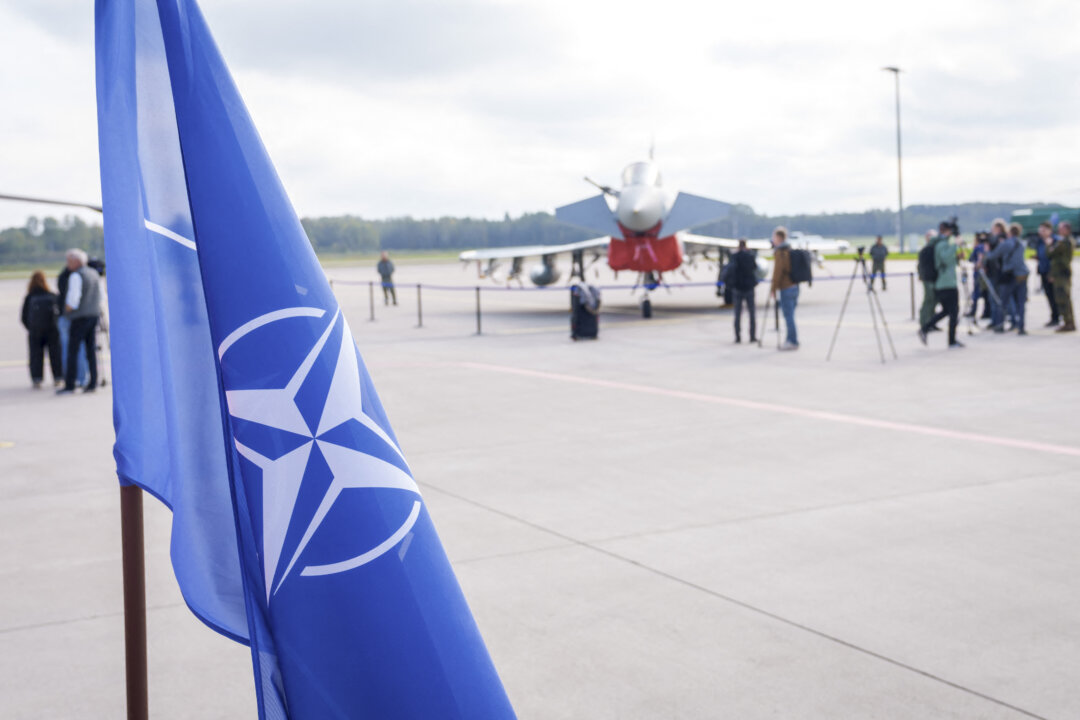
NATO Says Russia Is Unlikely to Attack Soon but Warns It Is Ready to Fight Tonight
The alliance is trying to project two messages at once: Russia may not be ready for a major war with NATO, but any attack would trigger an immediate and overwhelming response.
Gen. Alexus Grynkewich, NATO’s supreme allied commander in Europe, assessed the near-term danger as limited because Russia’s military remains committed to its war in Ukraine. “The risk of a major [Russian] attack on NATO territory right now is actually relatively low,” he said, attributing that assessment to the demands of the conflict and the forces Moscow has tied up there.
That judgment is cautious rather than reassuring. Grynkewich did not rule out smaller-scale action, while European governments continue to report drone incursions, suspected sabotage, cyberattacks and other forms of pressure attributed to Russia. The alliance’s concern is therefore not limited to a conventional invasion; it also includes the possibility that Moscow could test NATO’s political resolve below the threshold of open war.
At the Warsaw Security Forum, Grynkewich emphasized the contrasting second half of NATO’s position: deterrence depends on making an attack visibly futile. He described a strategy of “blocking, blunting and breaking” an enemy assault, arguing that NATO would target not only frontline troops but the infrastructure sustaining them. “Should the adversary choose to press the attack or commit his reserves, we will break the warfighting system engaged against us,” he said.
The message reflects NATO’s defensive framing, but its language is unmistakably forceful. The commander said the alliance would fight “tonight” if attacked, while Russia denies plans to assault European countries and has warned of escalation, including over the Baltic exclave of Kaliningrad. NATO’s calculation is thus built on a paradox: the immediate risk may be relatively low, but maintaining peace requires preparing—and publicly signaling readiness—for a much larger conflict.
Write a comment