Trump’s Fraud Reward Plan Puts Whistleblower Pay in the President’s Hands
Trump’s Fraud Reward Plan Puts Whistleblower Pay in the President’s Hands
The Trump administration is promoting a new federal fraud-reporting program as a weapon against waste, but its launch has exposed a basic dispute over who controls the rewards—and how much whistleblowers can actually receive.
President Trump said ordinary citizens, journalists and independent investigators could report fraud and receive a share of the money uncovered. He also declared, “I will be the arbitrator of all of these decisions,” promising to determine who deserved payment and saying, “I will be very generous, believe me.” That language suggests a highly personal system, while Justice Department guidance says the department retains “sole discretion” and limits awards to $30,000 for qualifying tips.
The administration’s case is that existing tools leave too much alleged misconduct uncovered. Vice President JD Vance said more than “99%” of the fraud found in federal government programs is outside the False Claims Act, which can provide larger awards but carries stricter requirements. Vance has also framed the effort as a broader law-and-order campaign, writing that those who defraud taxpayers “ought to go to jail for their crimes.”
Conservative coverage emphasizes the incentive: the program is presented as a “bounty for Americans who spot fraud,” and Trump said tipsters could receive a 1% commission—even on enormous cases. By contrast, reporting from liberal outlets highlights the contradiction between that promise and the government’s $30,000 cap, as well as the president’s proposed role in settling competing claims.
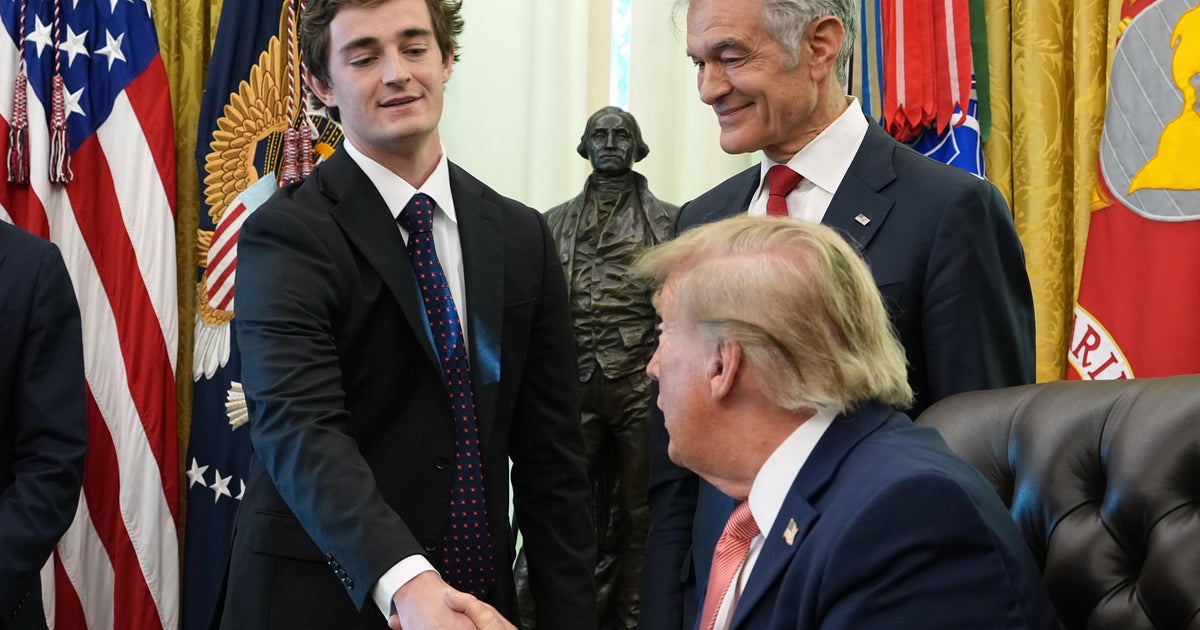
The first payout went to Nick Shirley, a conservative online creator whose allegations about Minnesota childcare centers brought the program its inaugural publicity. Whistleblower Aid president Naomi Seligman, however, accused Trump of being “more interested in hunting down whistleblowers” than protecting them. The program therefore arrives with bipartisan-sounding language about stopping fraud, but sharply different views of whether presidential discretion will encourage accountability—or politicize it.
Write a comment