Manchin’s Collins Endorsement Exposes the Senate’s Moderate Fault Line
Manchin’s Collins Endorsement Exposes the Senate’s Moderate Fault Line
Joe Manchin’s decision to campaign for Republican Sen. Susan Collins turns a closely watched Maine Senate race into a test of whether bipartisan moderation still carries political weight. It also sharpens the divide between Collins’ critics, who see her as too closely aligned with President Donald Trump, and supporters who portray her as an independent-minded incumbent.
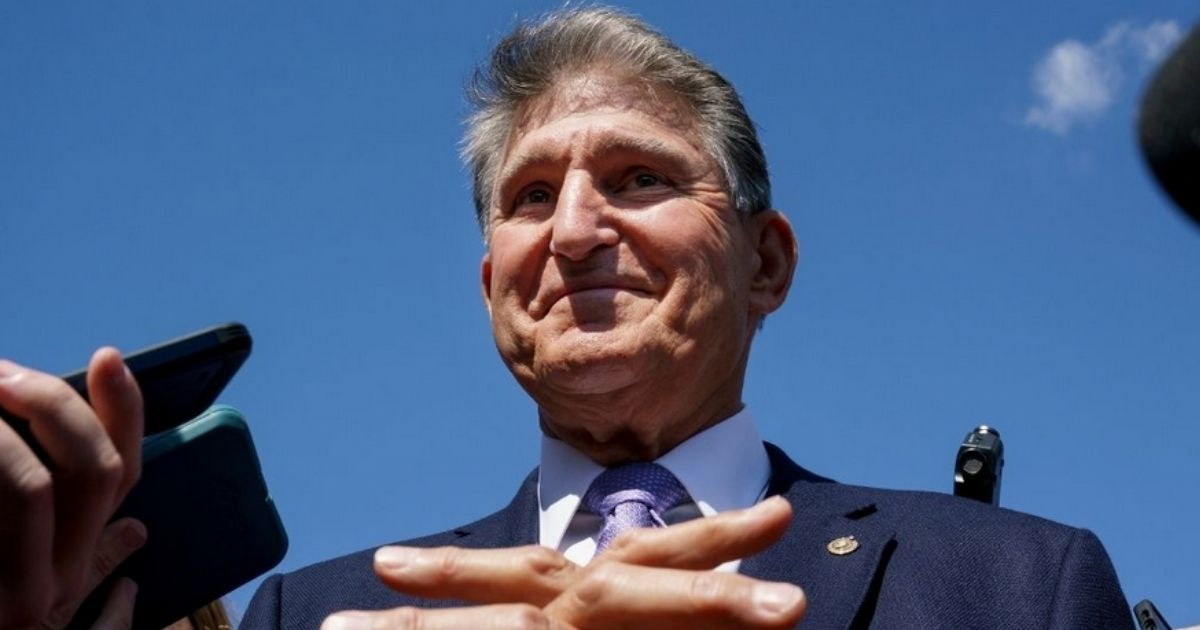
Manchin, who left the Democratic Party and later retired from the Senate as an independent, is backing Collins as she seeks a sixth term in a race against former Maine state Sen. Troy Jackson. His intervention offers Collins a high-profile validator from the center—and delivers a symbolic rebuke to Democrats, including Senate Minority Leader Chuck Schumer, whom Manchin has increasingly distanced himself from.
The case for Manchin’s involvement rests on shared moderation. He said Collins “is not a Trump senator,” pointing to her bipartisan record and her willingness to break with the president, including on his signature “one big, beautiful bill.” That argument is central to Collins’ reelection strategy, but it collides with Democrats’ effort to define her as a dependable vote for Trump.
The Democratic counteroffensive is equally nationalized. Jackson has drawn support from progressive figures including Sens. Elizabeth Warren and Bernie Sanders, while Rep. Alexandria Ocasio-Cortez is also scheduled to campaign in Maine. The race has therefore become a contrast between Manchin’s centrist endorsement and a progressive mobilization aimed at unseating Collins.
One conservative framing presents the contest as a broader clash of surrogates, describing Manchin and Ocasio-Cortez as traveling to Maine for “dueling roles” in a deadlocked Senate race. The competing narratives obscure one shared reality: Collins remains politically valuable precisely because both parties view Maine as competitive—and because her record can be interpreted either as bipartisan independence or insufficient resistance to Trump.
Write a comment