Rogers and El-Sayed Turn Michigan Senate Debate Into a Fight Over Loyalty
Rogers and El-Sayed Turn Michigan Senate Debate Into a Fight Over Loyalty
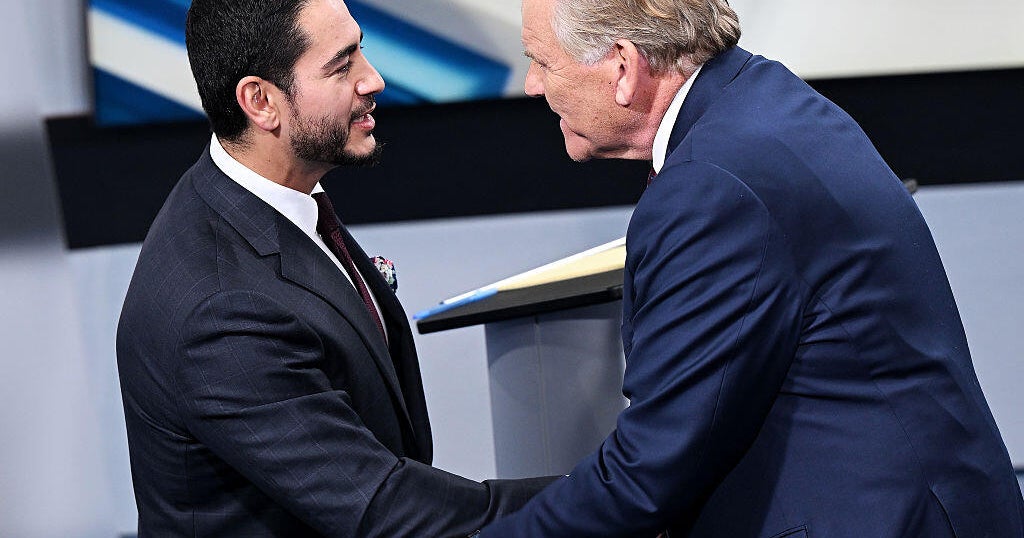
The final Michigan Senate debate offered Michigan voters more policy than personal combat—but the race’s defining question remained one of political loyalty. Republican Mike Rogers and Democrat Abdul El-Sayed each argued that the other represented a dangerous direction for the state.
Rogers made the sharpest personal attack, questioning whether El-Sayed stood with the United States or foreign groups. “Are you for America, or are you for these terrorist groups overseas?” Rogers asked, invoking allegations about El-Sayed’s family connections to the Muslim Brotherhood. El-Sayed called the challenge “shameful” and answered, “I am proud to be an American. I am proud of our Constitution.”
The exchange reflected the candidates’ broader strategies. Rogers sought to portray El-Sayed as an unreliable progressive whose proposals—including Medicare for All—would be too costly and ideologically extreme. El-Sayed countered that Rogers would ultimately support President Donald Trump, despite attempts to distance himself from the administration’s most unpopular policies. El-Sayed said Rogers would “stand hip to hip with Donald Trump on all of his worst policies.”
Coverage from the opposing political camp emphasized a different version of the confrontation. A liberal-leaning account framed Rogers as aggressively branding his rival a liar, repeating accusations over El-Sayed’s citizenship, résumé, alleged Muslim Brotherhood ties and shifting positions. It also highlighted a dispute over campaign financing, in which Rogers accused El-Sayed of hypocrisy for seeking corporate support while criticizing Rogers for taking it.
The debate was notably less chaotic than the candidates’ first meeting, but the contrast was largely stylistic. Beneath the calmer format, Rogers attacked El-Sayed’s identity and credibility, while El-Sayed tied Rogers to Trump and the national Republican agenda. The result was less a meeting of competing policy platforms than a contest over which candidate voters should distrust least.
Write a comment