Angel Reese Powers Atlanta Dream Ahead as WNBA Finals Friction Grows
Angel Reese Powers Atlanta Dream Ahead as WNBA Finals Friction Grows
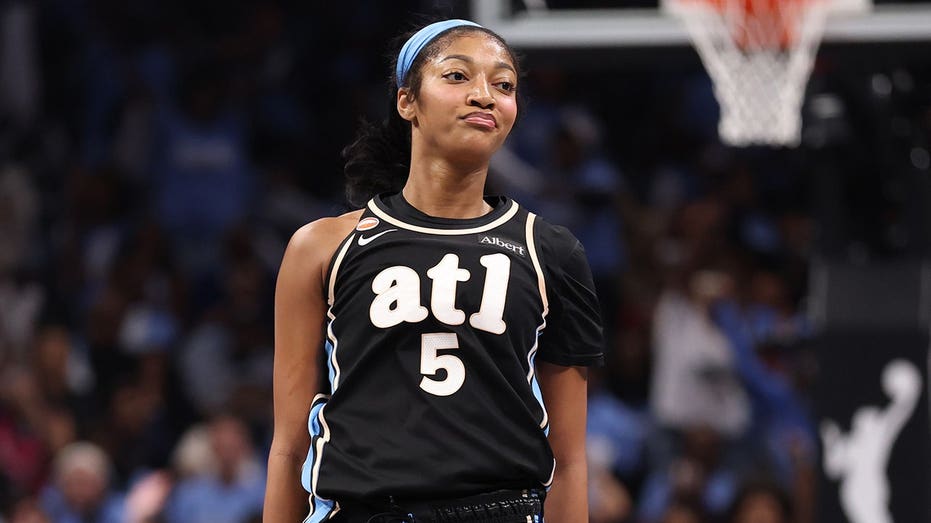
Atlanta’s WNBA Finals have become a clash between Atlanta’s surging form and Golden State’s inability to withstand it. The Dream’s 97-71 victory in Game 3 gave them a 2-1 series lead—and turned Angel Reese’s breakout run into the defining storyline of the championship.
Reese finished with 21 points and 12 rebounds, her second consecutive Finals double-double, while Rhyne Howard added 16 and Naz Hillmon 15. Atlanta seized control after the game was tied at 49 in the third quarter, scoring eight straight before closing the period on a 12-2 run. The Dream have now outscored the Valkyries 63-35 in third quarters across the series.
The liberal account frames the result primarily as a sporting milestone: Reese said, “I put the work in for this moment and I’m just happy I could lead the team to a win.” That perspective emphasizes Atlanta’s home-court energy, the sold-out crowd at State Farm Arena and the team’s growing confidence ahead of Game 4. Howard’s message was direct: “We went and stole one but we can’t let them come in and do the same thing.”
The conservative account reaches the same basketball conclusion but adds a culture-war lens. It highlights Reese’s 51 points and 28 rebounds in Atlanta’s two victories, while prominently noting that both teams again skipped the national anthem before tipoff. The report says the WNBA rulebook requires players and staff to stand and line up, and criticizes the league for not answering questions about the absences.
That contrast is telling. Both perspectives agree Atlanta is overpowering Golden State and that Reese is central to the turnaround. They differ over what deserves emphasis: one sees a young star delivering on the Finals stage; the other treats the game as evidence of unresolved institutional and patriotic controversy. With Atlanta hosting Game 4, the court may settle the series before the broader argument does.
Write a comment